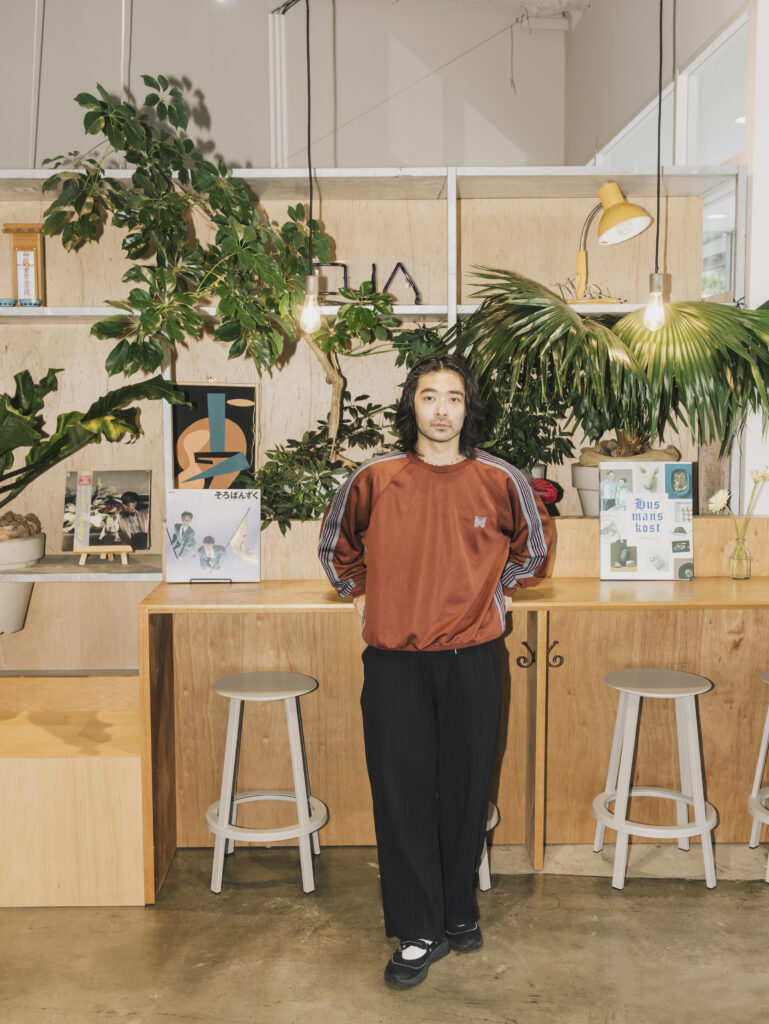
Focusing on people and cultivating spaces
Creating a café that shapes the atmosphere of the neighborhood
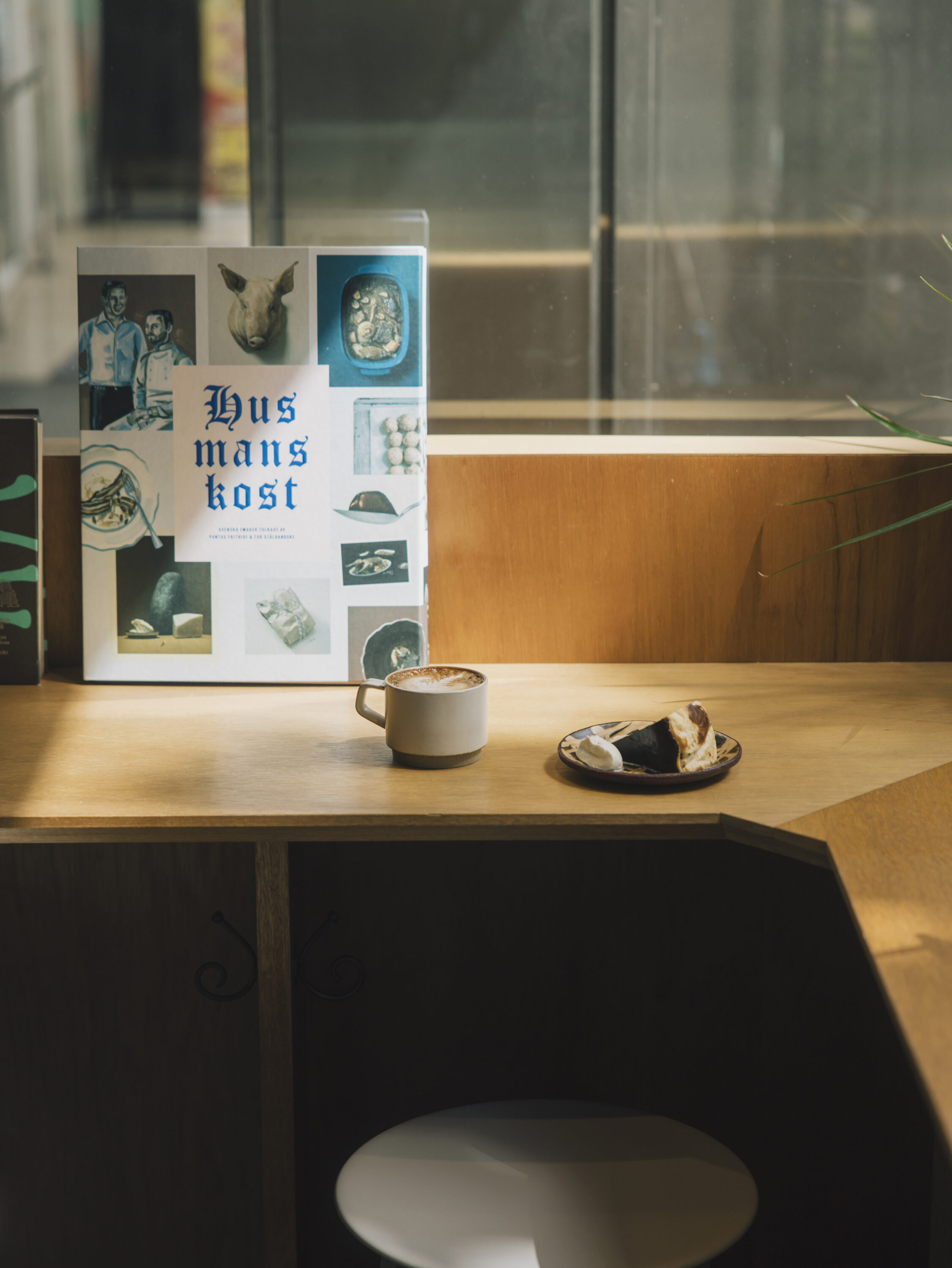
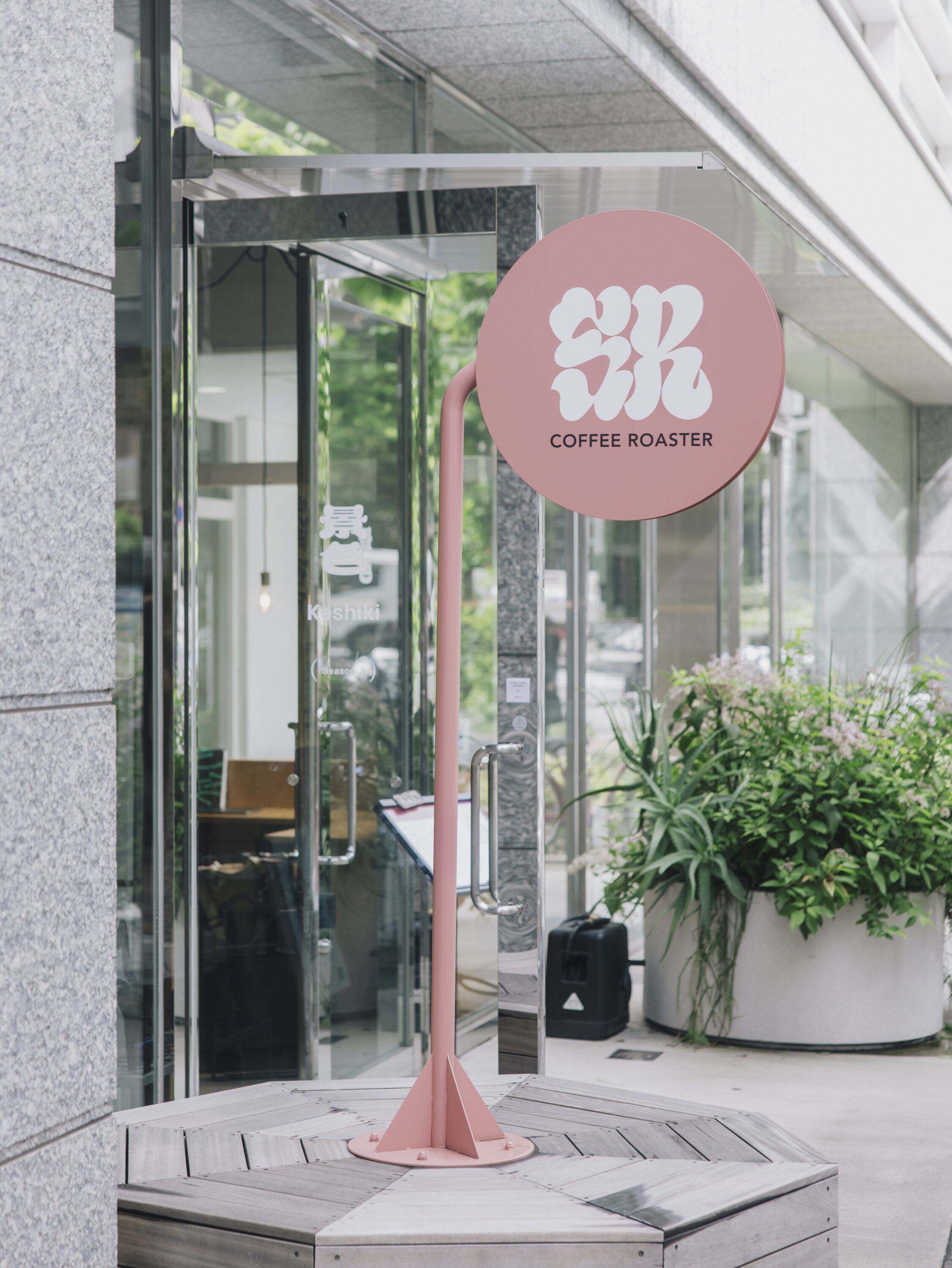
Serving high-quality, Stockholm-style coffee and sweets, SR Coffee Roaster is a place that brings both relaxation and fresh inspiration. Since relocating to a larger space within Kabutocho in 2025, the café has become even livelier, with its open, welcoming atmosphere drawing visitors day after day. With its sophisticated ambiance adding to the character of the neighborhood, SR Coffee Roaster has become a distinctive presence in Kabutocho. We spoke with General Manager Kentaro Sato about his journey so far and his approach to creating a place in this evolving neighborhood.
●First, we’d love to hear how you came to work in Kabutocho, so please tell us: what were you like as a child?
I was born and raised in Nerima, Tokyo. My mother is from Ise-Shima in Mie Prefecture, so half of my roots are there. My father is an interior designer based in Tokyo. Apparently, he met my mother when he was working on a hotel project in Ise-Shima, where she was a member of staff. My father was often away for work, and since I’m an only child, it was usually just my mother and me at home. I was pretty shy in elementary school and didn’t have many friends. But I did all the typical things boys do, like getting covered in mud playing at the park or playing card games.
●Was there anything you were particularly passionate about, such as sports or other activities?
Basketball. I actually wanted to play soccer, but because of my parents’ schedules and who could take me to practice, basketball was the more practical option. I also took swimming lessons, but I gradually became more and more absorbed in basketball. When it was time to enter junior high school, I found out that the school in my district didn’t have a basketball team. So I decided to attend a school outside my district just to keep playing. There was one other kid who felt the same way, and we went there together. He’s still my oldest friend.
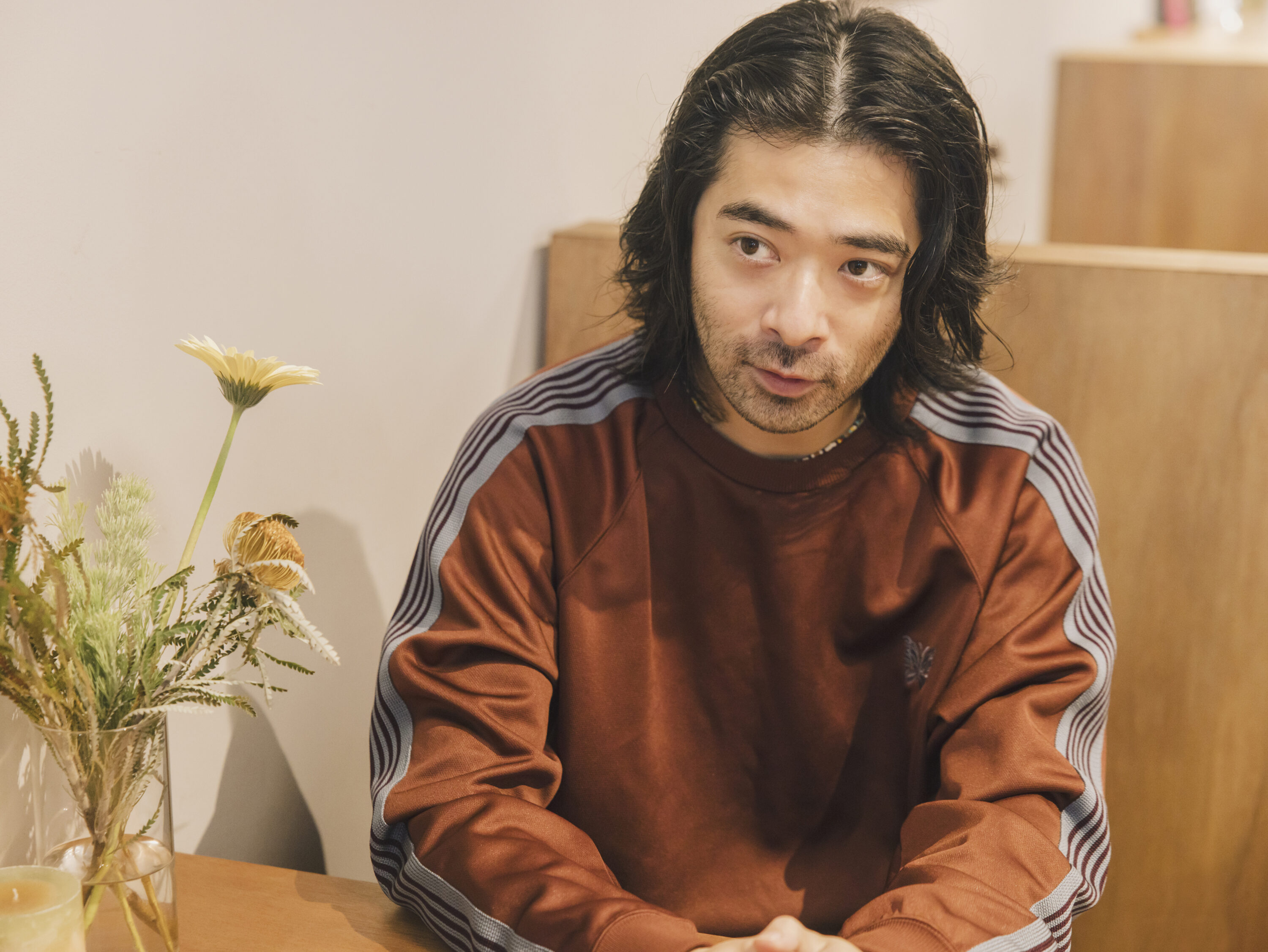
Rather than following trends, I wanted things that other people weren't wearing.
● So basketball was a big part of your junior high and high school years?
Absolutely. In junior high, basketball was pretty much all I did. There were about 30 members across the three grades, and a lot of them already had experience, so even getting a chance to play in games was a challenge. We were one of the stronger schools in the area. We even went to a ski resort for summer training camp and spent our time running up and down the slope beneath the gondola over and over again. It was still an era when that old-school, tough-love approach to sports training was fairly common.
Since basketball was all I focused on, I didn’t pass the entrance exam for a public high school in Tokyo. Instead, I went to a private school that seemed to have a strong basketball team. And once again, my life revolved around basketball. It wasn’t an exceptionally powerhouse school, but there were around 60 members on the team, so it was still a pretty big club. The older students treated me well, and I enjoyed myself. I was also able to play in games from my first year, so it was a really fulfilling experience. I’m not particularly tall, so I played guard. I was an offensive-minded player, good at bringing the ball up the court, creating plays, and scoring.
Apart from basketball, I think I was already pretty interested in clothes back then. My mother had always paid attention to what I wore when I was little, so I’m sure that influenced me. From junior high onward, I started choosing my own clothes and would take my mother shopping at department stores in Ikebukuro. Rather than following trends, I wanted things that other people weren’t wearing.
I was especially particular about my basketball shoes. I didn’t want anyone, even players from other schools, to have the same pair. My father was stationed in the United States at the time, so I had a bit of an unfair advantage. I’d ask him to bring back shoes that were only available over there! Our team had rules about which bags and belongings we could use, and I really hated that. I was always thinking about how I could put my own personal touch on the way I carried them.
● Did anything change in your relationship with yourself or your family as you entered your teenage years?
I went through a bit of a rebellious phase, but I think we got along well. My mother and I had our little everyday arguments, but nothing serious. As I mentioned, my father was living away from home for work, and I only saw him once or twice a year. So I always found him a little intimidating.
I hadn’t studied nearly enough in junior high, so when I got to high school, I decided to take my studies seriously. The school had pretty strict rules. Normally, I think a failing grade is something like 40 points, but at our school, the threshold was much higher: 60 or even 70 points! And if you failed two or more subjects, you were sent to a separate school facility in Tateshina, Nagano Prefecture, for an intensive study camp. So, in order to keep playing basketball, I studied really hard and managed to stay within the top ten students in my year. I eventually entered university through a school recommendation. But I let my guard down during my final exams and couldn’t quite recover my grades, so I ended up taking a different path from the one I’d originally imagined. Still, I met people at university who really shared my values, and I had an incredibly fulfilling four years. Looking back, I think it all worked out for the best.
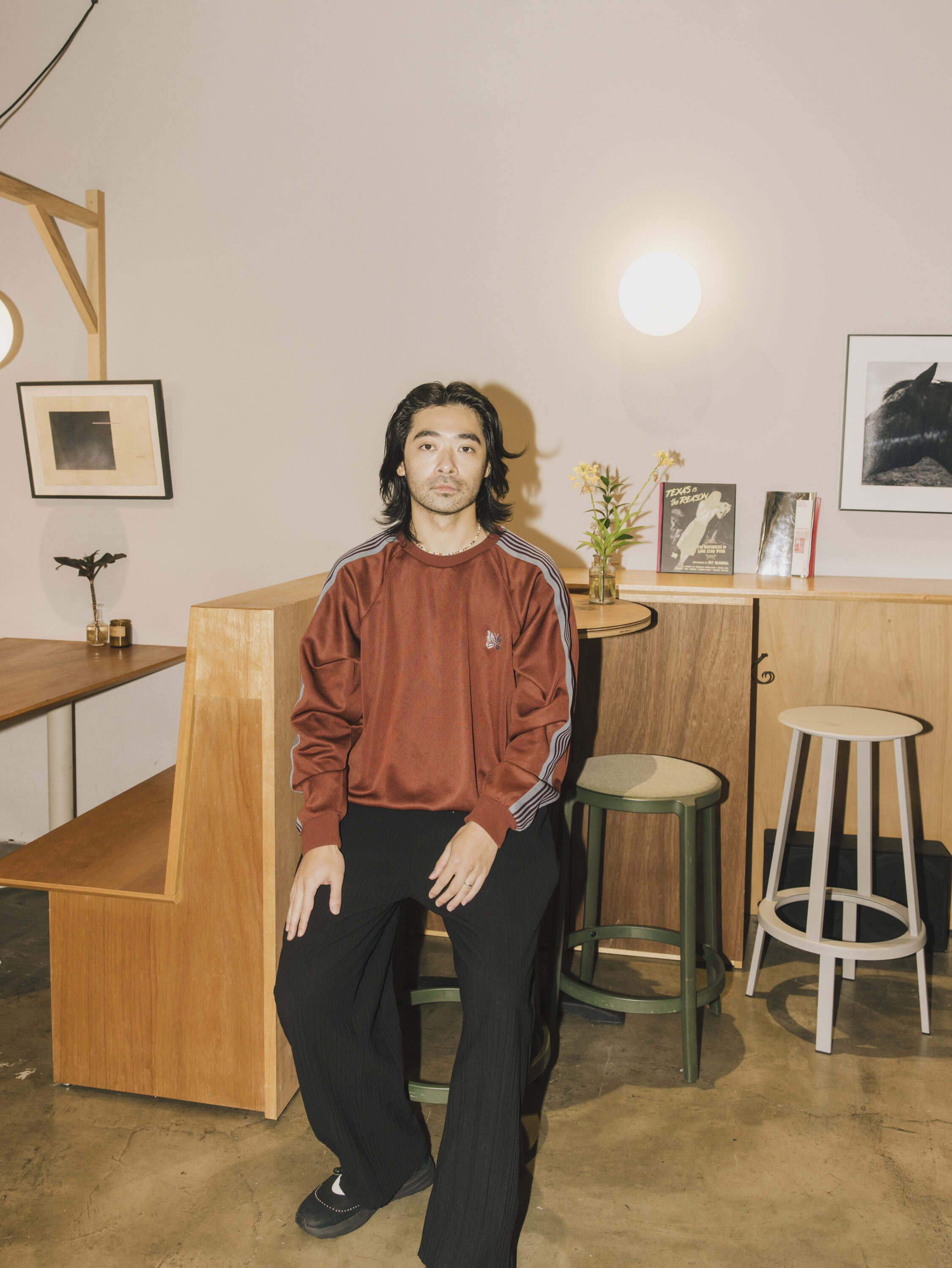
Because of my father's work in hotels, I think I'd always been naturally drawn to places with beautiful interiors and a great atmosphere.
●What did you study at university, and where did you spend your time outside of class?
I studied business administration and often went out in Shibuya and Omotesando. My university was in Machida, which is quite far from Nerima, so the train ride took about an hour and a half each way. My parents had told me I could live on my own if I went to university outside Tokyo, but Machida is technically still in Tokyo, so I ended up staying at home! Because of the university’s location, most students lived in Kanagawa Prefecture. There were about five or six of us from Tokyo who traveled in the same direction, and we became close friends. We used to visit student clubs at all sorts of other universities because ours didn’t have any.
As I gradually started drinking and smoking and experiencing more of adult life, I became a regular at Montauk, a café lounge that was very popular in Omotesando at the time. Because of my father’s work in hotels, I think I’d always been naturally drawn to places with beautiful interiors and a great atmosphere. I also loved visiting restaurants. My first part-time job was at a small, independently owned Italian restaurant in my neighborhood. I only worked there once or twice a week, but I learned a lot from the chef and made friends with other part-time staff around my age. I stayed there until the chef had to close the restaurant due to health problems.
University was also when I traveled overseas for the first time. I went to New York to visit my father, who was working in the United States at the time, and that was the first time I really felt frustrated by my inability to speak English. Until then, English had always been my weakest subject, and I’d thought, “I only need Japanese to get through life!” But I couldn’t forget that experience, and I think it eventually led to my decision to move to the United States.
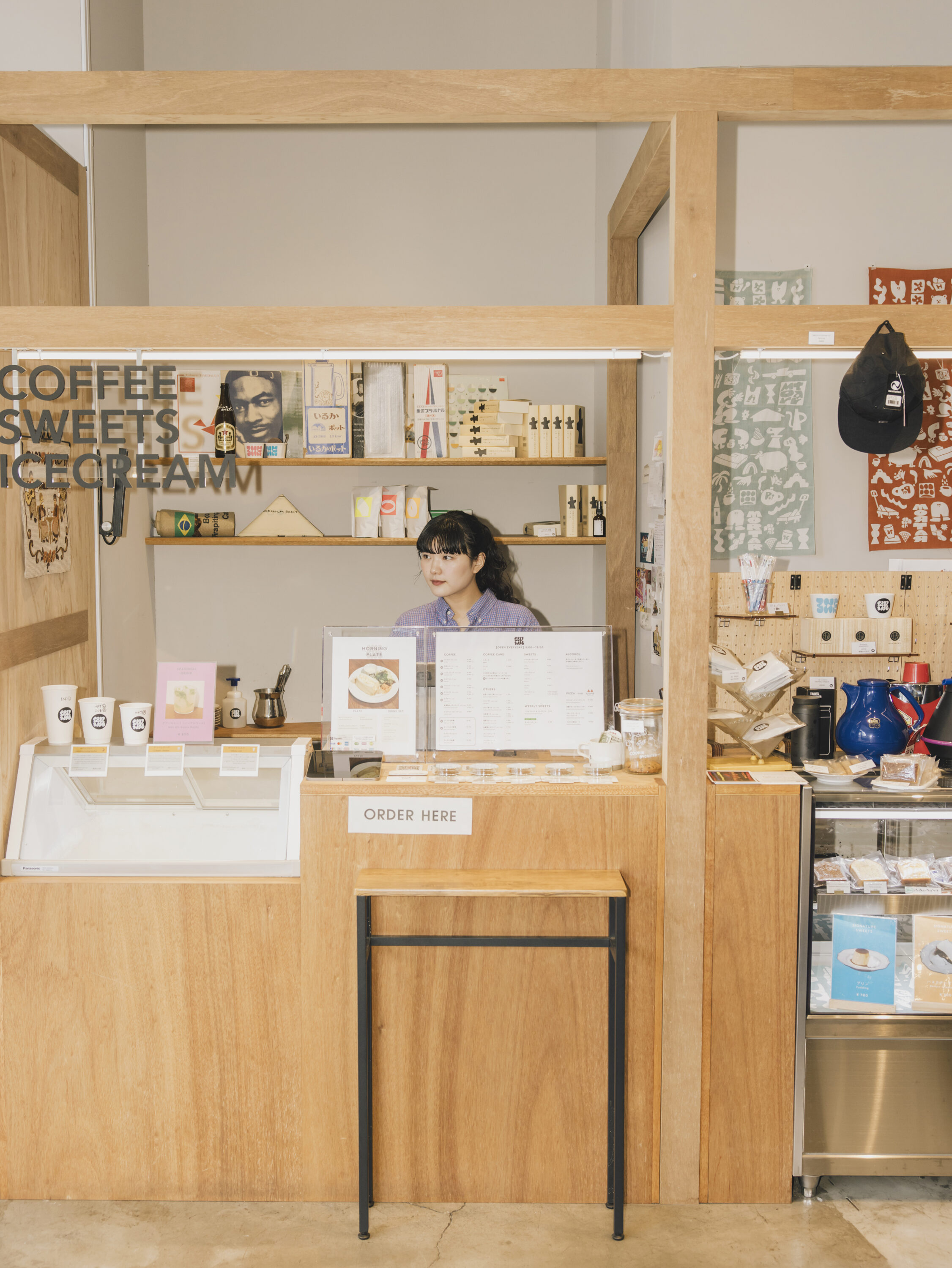
I took my studies seriously, but I also went into Manhattan almost every day. Immersed in the hustle and bustle of New York, I was enjoying a second youth, completely different from the one I'd experienced in Japan.
●So that was what eventually took you to the United States! Did you first get a regular job after graduating from university?
Yes. I initially joined a Japanese company specializing in resort management. I worked in sales, handling hotel memberships and events for properties in Karuizawa. My main responsibility was managing reservations for members, but I also worked on building good relationships with them, encouraging them to attend events, and getting referrals from people interested in becoming members. Of course, there were plenty of wonderful customers, but I also experienced all kinds of difficult situations. I think the job made me mentally stronger.
My sales performance was among the best of the new employees, and I found the work itself interesting. Even so, I just couldn’t forget about the United States, where I’d traveled as a student. So, after about two years with the company, I decided to leave. I was grateful that they supported my decision and sent me off on good terms to pursue what I wanted to do. Actually, around the time I graduated from university, my mother had also moved to the United States to join my father.
●I see! So your whole family ended up living in the United States. What did you do in New York?
That’s right. I joined my parents, and for the first time, the three of us lived together as a family. My father’s home was in White Plains, north of Manhattan, about 15 to 20 minutes by train from Grand Central Terminal.
For the first three months after arriving, I attended a language school. There were quite a few Japanese students, but I made a firm decision not to speak Japanese with them, at least for the time being.
I studied incredibly hard and managed to advance to level eight out of ten. Since I hadn’t properly studied grammar or other fundamentals in junior high and high school, I didn’t have much basic knowledge. It felt like I was learning English entirely through English. More than anything, I just wanted to be able to speak the language.
After that, I transferred to a university that offered international students a pathway to work in the United States. Credits from my Japanese university could also be transferred, so I thought I could study hotel management, graduate relatively quickly, and start working. I took my studies seriously, but I also went into Manhattan almost every day. Immersed in the hustle and bustle of New York, I was enjoying a second youth, completely different from the one I’d experienced in Japan.
● That sounds like an amazing second youth! Did you end up graduating there?
Actually, my father became ill and needed to return to Japan for treatment, so my parents went back before I did. He also had to leave his job, and perhaps because he was feeling anxious, he asked me to come home with them. Once he said that, staying behind wasn’t really an option for me.
I remained in the United States a little longer to take care of everything: closing out the house, car, and phone contracts, and sorting out all the other arrangements, before returning to Japan. It had been about two years since I’d moved there. In the end, I basically came back having improved my English and enjoyed myself, without quite completing what I’d set out to do.
● I see… So how did you eventually come to join SR after returning to Japan?
When I started thinking about what to do after coming back, I realized that although I wasn’t necessarily going to follow directly in my father’s footsteps, I wanted to do something similar. I’d always liked hotels and had visited many different ones, so I thought I’d look for work in a slightly different industry. I joined a company that operated hostels, where I experienced a different approach to hospitality from that of hotels. While I was working there, I was invited to help launch a shared office in Tokyo as a new business venture for a company that operated hotels in Osaka. As a result, I gained experience with hotels, hostels, and shared offices, all different kinds of businesses, but all places where people come together.
Then, in 2023, I joined SR. A mutual acquaintance introduced me to the company’s president, and I thought it would be interesting to take a closer look at the café business while drawing on my previous experience working in restaurants. At the time, I was also particularly impressed by cafés that had managed to survive the COVID-19 pandemic. When I spoke with the company, I learned that SR had a stable revenue structure beyond its regular café locations, including contracts to operate café lounges within shared offices. That made me think even more that I might be able to put my past experience to good use.
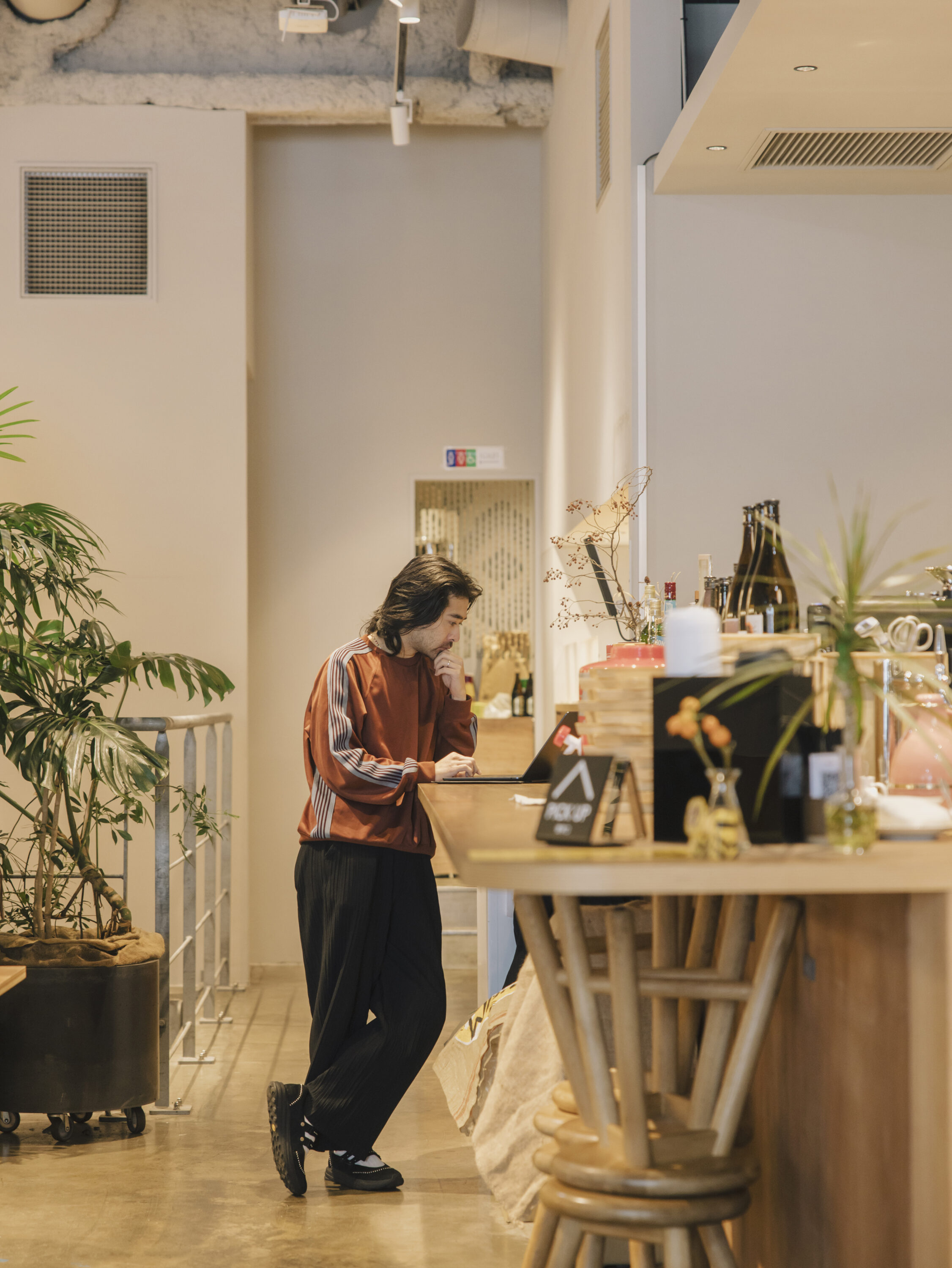

We describe ourselves as a company that creates spaces, but you can't create a place with coffee alone, or with interiors alone. Ultimately, I strongly believe that it's people who create the atmosphere of a place.
● What kind of work are you currently responsible for here in Kabutocho?
When I first joined the company, I handled back-office operations for a newly opened restaurant inside a shared office in Marunouchi. From there, my responsibilities gradually expanded, and eventually I was entrusted with overseeing all the locations, including the café here in Kabutocho. Now I oversee all 11 locations: nine in the Tokyo metropolitan area and two in Miyakojima in Okinawa. Sometimes I’m on-site checking how things are going, and other times I’m interviewing prospective staff. I’d never managed retail locations before, but somehow I’ve been managing to make it work.
●What’s the most important thing to you in your work?
Definitely people. We describe ourselves as a company that creates spaces, but you can’t create a place with coffee alone, or with interiors alone. Ultimately, I strongly believe that it’s people who create the atmosphere of a place. When staff enjoy their work, customers are more likely to feel comfortable too. And when staff genuinely think something tastes good, it’s easier for customers to share that enthusiasm. That’s why I make a point of being personally involved in hiring our staff.
I pay attention to things like their mannerisms, clothing, and personalities. I think about what kind of person would suit each location, someone who would thrive in a large café, for example, or someone better suited to a smaller shop where they might spend long stretches working with just a few colleagues.
There are people, there are places, and relationships form between them. I think that's how both a café and a neighborhood gradually grow and develop.
●It sounds like you’re drawing on the ability to understand people that you’ve developed over the years. What kind of person do you think is well suited to working in a café?
First of all, I think someone who’s cheerful. You can learn a lot about someone’s personality just by talking about something simple, like their favorite color. When someone naturally opens up and talks about those things on their own, I get the sense that they’re a good communicator. There are also people working behind the scenes who I think would be great in customer-facing roles. So sometimes, after meeting and talking with someone, I’ll suggest, “Why don’t you try working in this kind of environment next?”
We currently have just under 100 staff members across all our locations, and I think our employee retention rate is quite high for this industry. It also makes me happy that the people I’ve hired often become good friends with one another. I’m really grateful to have people I can trust and confidently say, “This is the right person for this place.”
●How do you see Kabutocho as a neighborhood? And what would you like to try here in the future?
SR started its café business in a tiny space with only a counter and fewer than ten seats. Now we’ve moved to this much larger location within the same neighborhood. I feel that the entire evolution of SR is reflected right here in Kabutocho.
In the past, it was known as a financial district, and perhaps the atmosphere was a little more hard-edged. But now it’s become very stylish and comfortable. I also feel that the neighborhood has enormous potential to develop even further, and we’d love to contribute to that growth as part of the community.
At the moment, we’re experimenting with opening the café in the evenings every Wednesday. Many nearby businesses are closed on Wednesdays, so we wanted to see how many people might come by. Right now, we’re hosting a taco pop-up, but in the future, I’d love for the space to be used by people who want to serve their own food but don’t yet have a restaurant of their own. I’d like it to become a place where they can express themselves. That said, the café itself has been so busy lately that there are days when our staff is already stretched thin, so we need to find the right balance.
There are people, there are places, and relationships form between them. I think that’s how both a café and a neighborhood gradually grow and develop. Personally, I consider this SR’s flagship location, so I try to spend as much time here as possible. I want to keep nurturing this place by taking the time to engage thoughtfully with the people who are part of it.
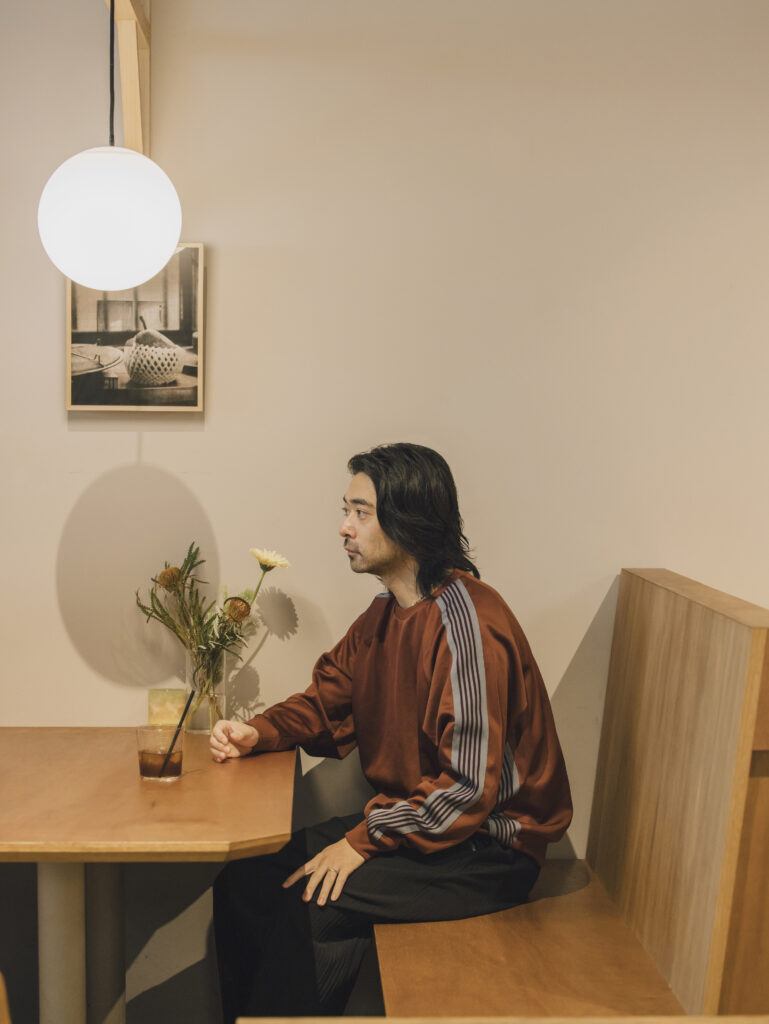
Kentaro Sato
Born in Nerima, Tokyo. After graduating from the Department of International Management in the College of Business Administration at Tamagawa University, Sato joined Resorttrust, Inc., where he was responsible for sales of hotel memberships and events. He subsequently spent approximately two years in New York, studying at a language school and university. Upon returning to Japan, he joined Backpackers’ Japan, where he was involved in hostel operations and the launch of a shared office. He joined SR Coffee Roaster in 2023 and currently serves as General Manager, overseeing operations at all 11 locations, primarily in the Tokyo metropolitan area, as well as staff recruitment and back-office operations.
Interview&Text : Misaki Yamashita
Photo : Masahiro Shimazaki
Kentaro Sato
General Manager, SR Coffee Roaster
JP
Manager, Shao Shao (勺勺)
Interesting people in Kabutocho
I first met JP when he was working at a restaurant called Gyoza Sekai in Suidobashi, and we became friends. He has this uniquely gentle presence, but there’s also something intriguing and hard to pin down about him—he’s in a band, for example. His approach to hospitality is so warm and welcoming that he’s the kind of person I’d go out of my way to visit at his restaurant just to experience it. As a manager at SR, I’d love to collaborate with fascinating people like him and do something together to bring even more energy to Kabutocho.