Intersecting Memories:
Connecting People in a Changing City
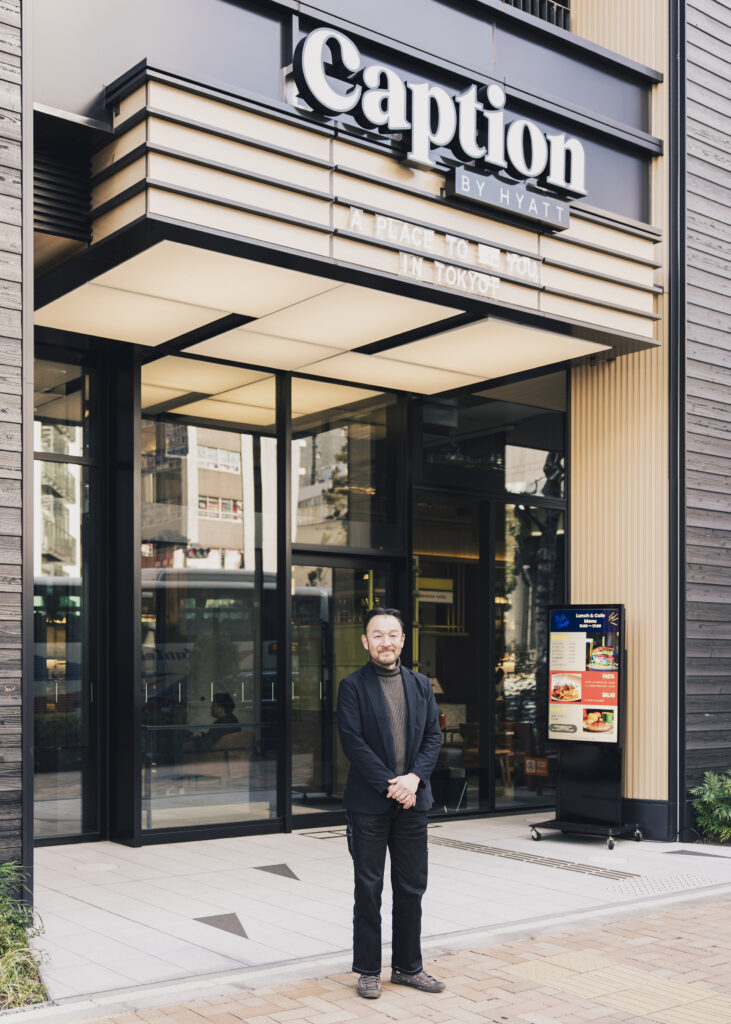
Eitai-dori Avenue acts as a direct artery connecting Tokyo Station to the Nihonbashi and Kayabacho districts. It’s here in Kabutocho, a location boasting exceptional accessibility and views, that Caption by Hyatt Kabutocho Tokyo made its debut in October 2025. As the latest lifestyle brand from Hyatt Hotels & Resorts, this hotel marks a significant milestone: it is the brand’s first location in Tokyo and only its fourth worldwide. We sat down with General Manager Masakazu Yamada, the man entrusted with leading this experimental and celebratory location, to discuss his personal journey and his vision for the future.
● To start, could you tell us a bit about your background and childhood?
I was born in Tokyo, but from around the age of three, my father’s work took us across Southeast Asia. I returned to Japan for elementary school from grades one through five, then headed back to Southeast Asia. Specifically, I lived in Bangkok, Thailand, and Kuala Lumpur, Malaysia, before spending four years at university in the United States. I suppose I’m what you’d call a “returnee.”

● That’s quite an international upbringing! Do any particular memories stand out?
Looking back, I feel like I was always up to no good (laughs). I was a bit of a brat, constantly causing trouble for those around me. I lived in Bangkok from the end of elementary school through the second year of middle school, and at the time, I didn’t enjoy it at all. The food was too spicy, it was hot, and some areas were quite gritty back then. I especially hated the dry, crumbly rice; all I could think about was how much I wanted to leave.
Now, though, I have friends from back then and still keep in touch, so I see it as a great place in hindsight. We’re even talking about organizing a reunion there.
Kuala Lumpur felt easier to live in compared to Bangkok. It’s a multicultural country, so there was more variety in food, and the flavors were milder. The alphabet was also used, so I could understand things more easily. It gave me a sense of comfort.
I think I wanted to show people that "Japanese people aren't just quiet and submissive”, that we can be proactive communicators with people from all over the world.
● What was the family dynamic like?
My father was a banker, and my mother was a stay-at-home mom. I have an older sister as well. My father was strict; he didn’t hesitate to get physical when I stepped out of line. My mother, on the other hand, was a lifelong learner. She seemed to find genuine joy in discovering the culture and history of everywhere we lived. When we were in Thailand, she even had a part-time job teaching Japanese at Chulalongkorn University. She’s in her 80s now, but she recently mentioned she’s planning a trip to India to study Buddhism.
● Were you particularly focused on anything during your student years?
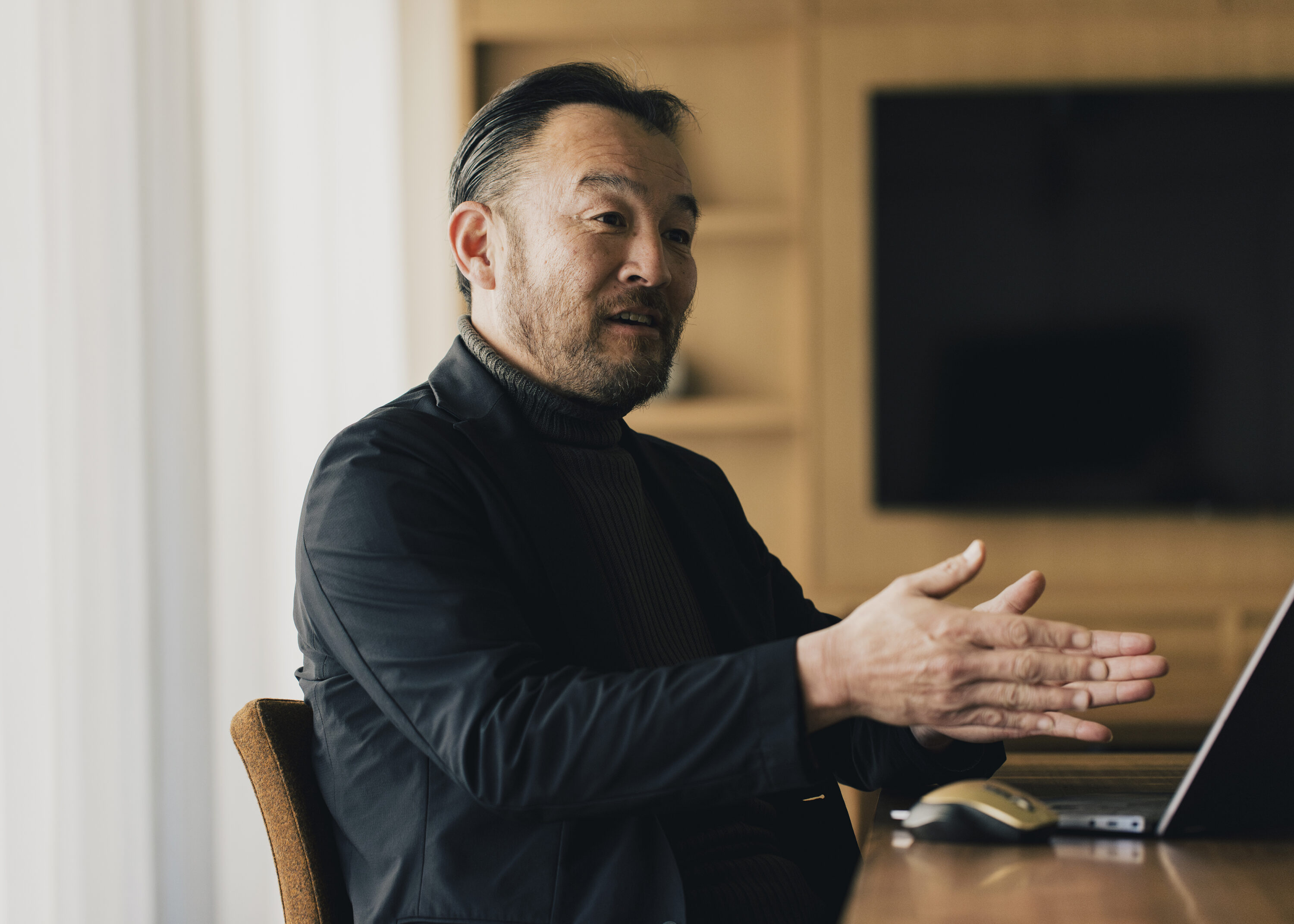
Actually, because I attended Japanese schools, I couldn’t speak English at all initially. I moved to an international school for high school. Even as a kid, I was proud of being Japanese; I remember embroidering the national flag onto my school jacket myself. I think I wanted to show people that “Japanese people aren’t just quiet and submissive”, that we can be proactive communicators with people from all over the world.
As for sports, the programs followed an American style, so I didn’t stick to just one thing like the “club activities” in Japan. I’d do one sport for three months, then switch to another. At the end of every term, there was a tournament with other international schools across Southeast Asia. I competed in soccer, basketball, and baseball. If you made the varsity team, you got to fly to the host city, and I loved planes! Plus, it counted as an excused absence from class. That was my biggest incentive! To stay on the team, you had to maintain a grade of ‘C’ or higher, which was essentially my only motivation to study.
I love the sensation of floating above the clouds. When you look at the world from above, your personal worries start to feel very small.
● Have you loved airplanes since you were young?
It seems so. In my kindergarten yearbook, I had already written: “I want to be a pilot.” I don’t remember exactly what triggered it, but for as long as I can remember, I wanted to fly. I love the sensation of floating above the clouds. When you look at the world from above, your personal worries start to feel very small.
● Is that why you chose to go to university in the U.S.?
Yes. I wanted to study English in an environment without Japanese people, and also somewhere strong in soccer, so I chose a university in West Virginia.
When I was younger, pilots used to talk to kids on flights, so I asked them how to become one. Almost all of them recommended going to a regular university rather than a specialized aviation school, since those are much more expensive and limit your options if you don’t pass the pilot exam afterward. So I decided to focus on mastering English first.
My university was in a very rural area. My parents suggested I arrive early to get settled, so I got to the dorms about a week before the semester started. I was literally the only person there. It was a dorm in the middle of the mountains; I had no idea where anything was, and for two days, I survived on nothing but water. Eventually, a dorm advisor showed up early and was shocked to see me. He ordered me a pizza. That was my start. It was the first time in my life that I cried because I wanted to go home!
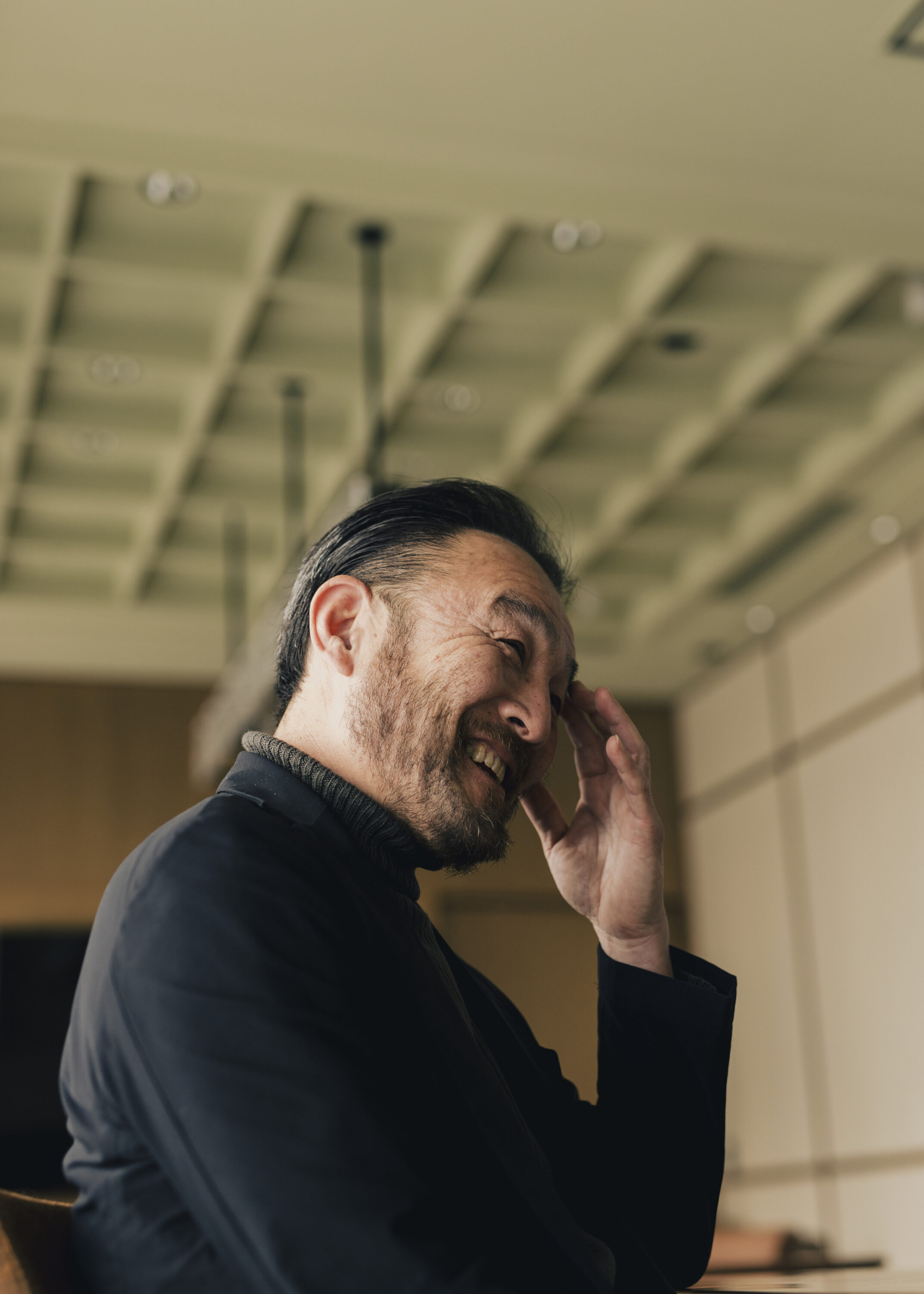
The thing that helped me through the tough times was a car I bought by chance when I enrolled.
● That’s quite a dramatic start! How was the rest of your campus life?
I studied marketing, though I’ve forgotten most of it by now! The first year of soccer practice was gruelling. There were students there on scholarships from Europe and South America, and their level of commitment was on a different scale.
When we wanted to have fun, we’d drive to Pittsburgh or New York in search of Japanese food. I’d drive through the night while my friends slept. We’d arrive in the morning, buy seafood, eat, see the Statue of Liberty, and then drive straight back in the afternoon.
The thing that helped me through the tough times was a car I bought by chance when I enrolled. People say American universities are hard to graduate from, and it’s true; if you don’t study hard, you fall behind. That car was my escape.
I’d gotten my license in Kuala Lumpur at 16 or 17. Whenever I felt down, having that car nearby saved me. I started doing my own oil changes to save $10, but eventually, I grew to love it. It felt like taking care of a child. In a rural town, there wasn’t much to do besides bowling or the movies, and I had already bowled so much that I had my own custom ball! Working on the car never got boring. To this day, I still change the oil myself.

● That car sounds special. Do you still have it?
I do! It’s a Toyota MR2. Even after all these years back in Japan, I can’t let it go. I felt that even if I sold it and bought something new, I could never replace those memories. Before moving back, I drove it from West Virginia to Los Angeles and shipped it to Yokohama. A full cross-country trip. It’s in rough shape now, and it would probably take millions of yen to fully restore it, but as long as it can pass inspection, I’m keeping it.
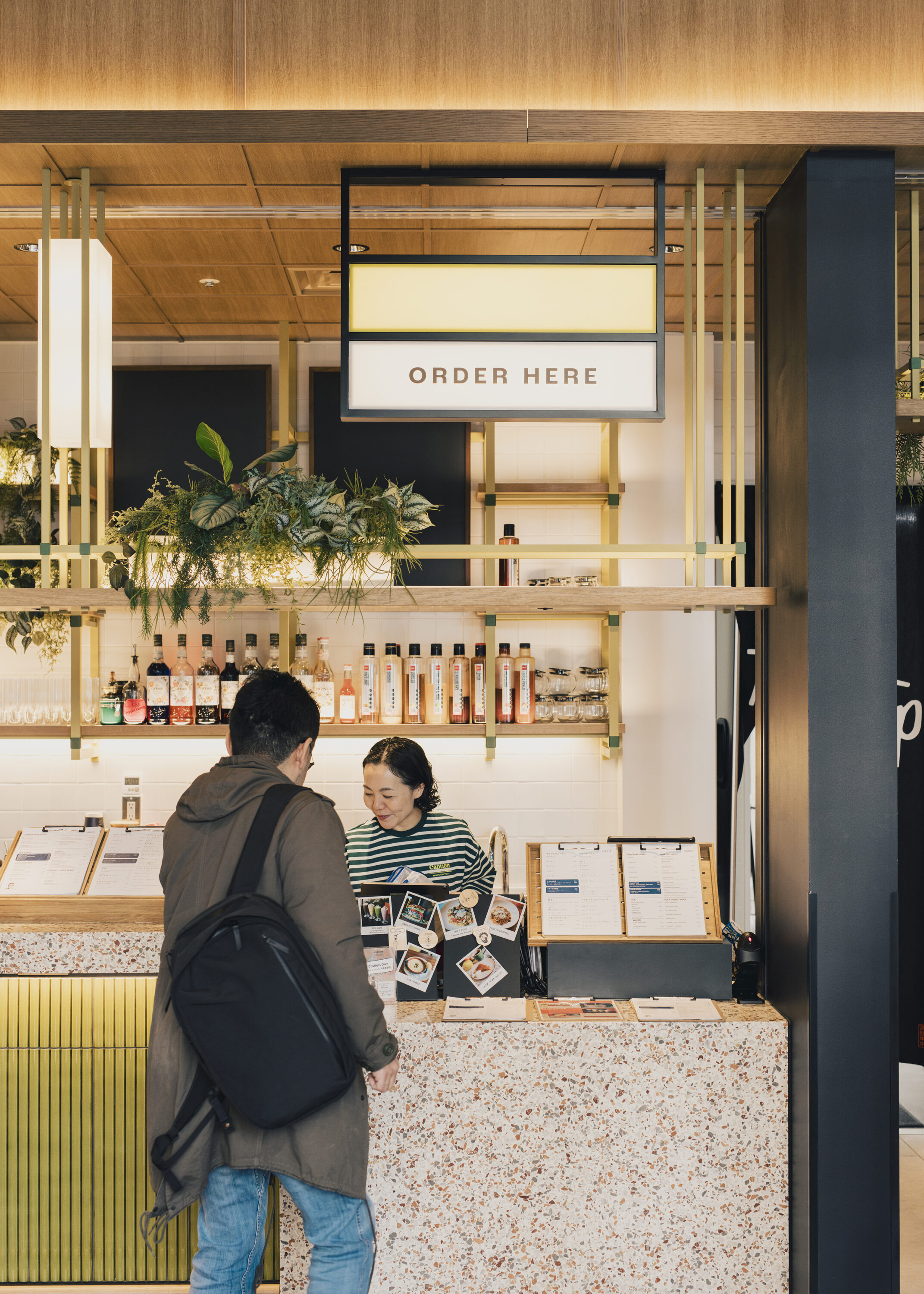
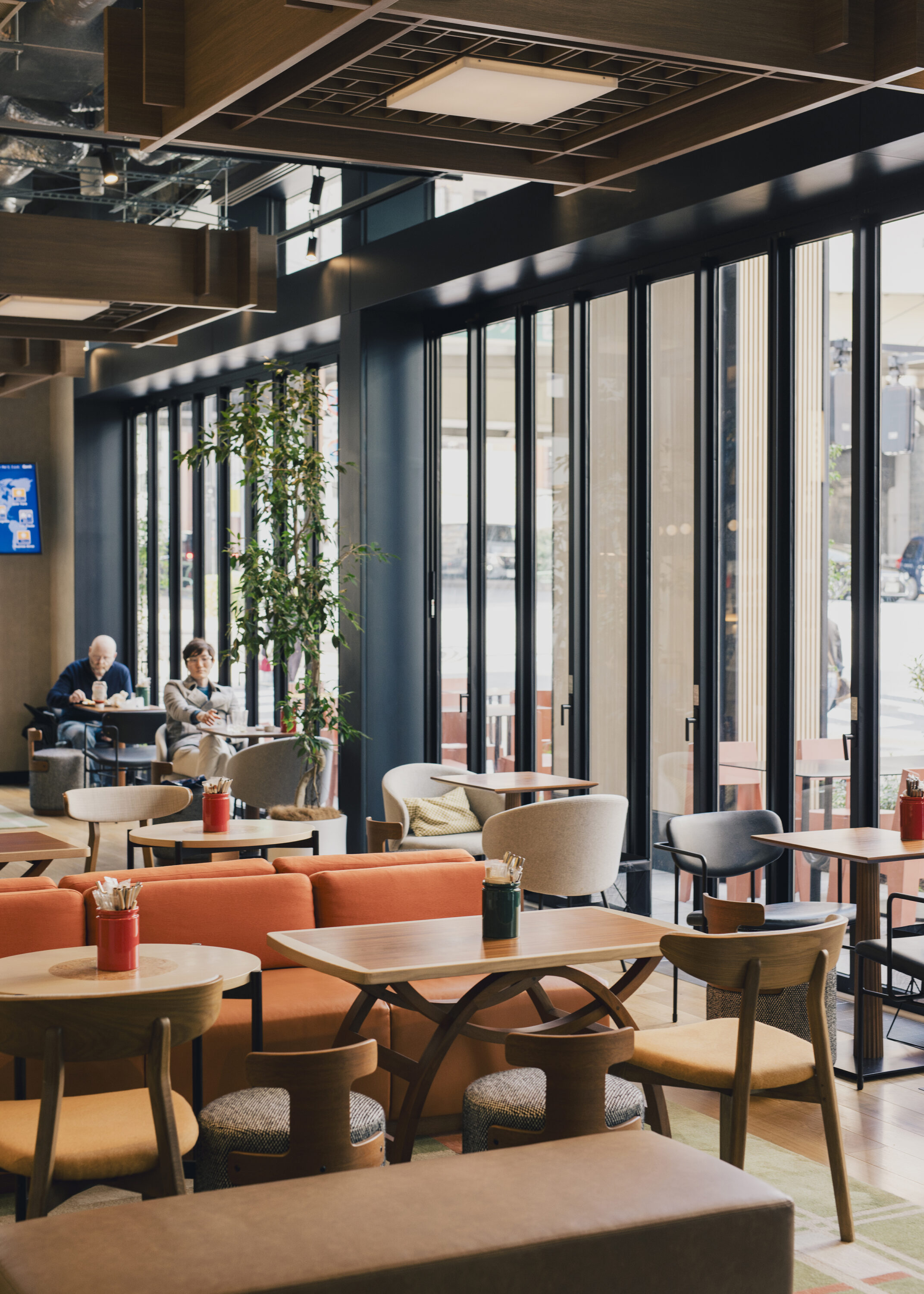
Tokyo gets a lot of attention from global headquarters, so while the pressure is high, the rewards are equally great.
● What career path did you envision after graduation?
I still wanted to be a pilot, so I took the exams. But it’s a very narrow gate, and it didn’t work out. I realized a standard 9-to-5 office job with weekends off wouldn’t suit me either, and the idea of a hotel just popped into my head. I sent my resume to a hotel in Kuala Lumpur, but they told me I couldn’t get a work visa without experience. However, a Japanese sales rep there happened to introduce me to the pre-opening office for a new hotel in Tokyo. That was my foot in the door.
I wanted to work at the front desk, but the offer came back for the accounting department. Back then, accounting handled the night audit to close the daily sales, and they needed someone with language skills. In hindsight, that experience was invaluable. Understanding the flow of numbers completely changes the accuracy of your management decisions.
Later, I moved into front-of-house roles and eventually revenue management, setting prices and managing yields. Honestly, I didn’t want to do it at the time, but I’m glad I did. You can’t run a hotel on “feeling” alone.
I had chances to go abroad, but I chose to stay in Tokyo. Being recognized for delivering results here meant a lot to me. Tokyo gets a lot of attention from global headquarters, so while the pressure is high, the rewards are equally great.
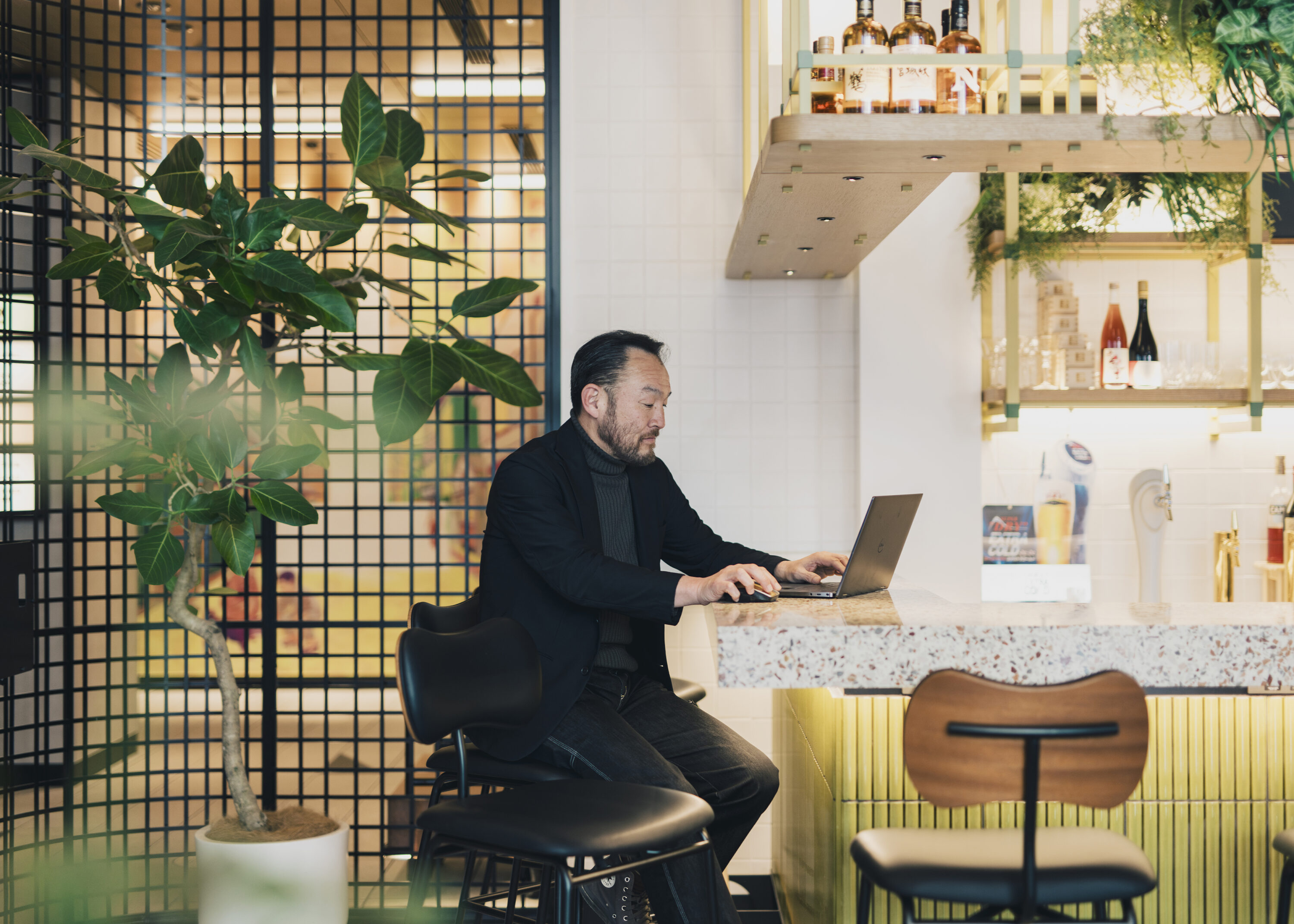
Hotel lobbies tend to be closed-off spaces, but I want this to be a place where locals feel natural walking in and spending time.
● What impression did you have of the Kabutocho neighborhood?
To be honest, it wasn’t a place I was very familiar with before I took this job. But my impression has completely changed. It’s far more accessible than I thought, within walking distance of Tokyo Station. I also feel like the younger population is growing. With places like the dessert shop “teal” and the popular bakery “bank,” there are so many charming cafes and restaurants. It’s no longer just a business district.
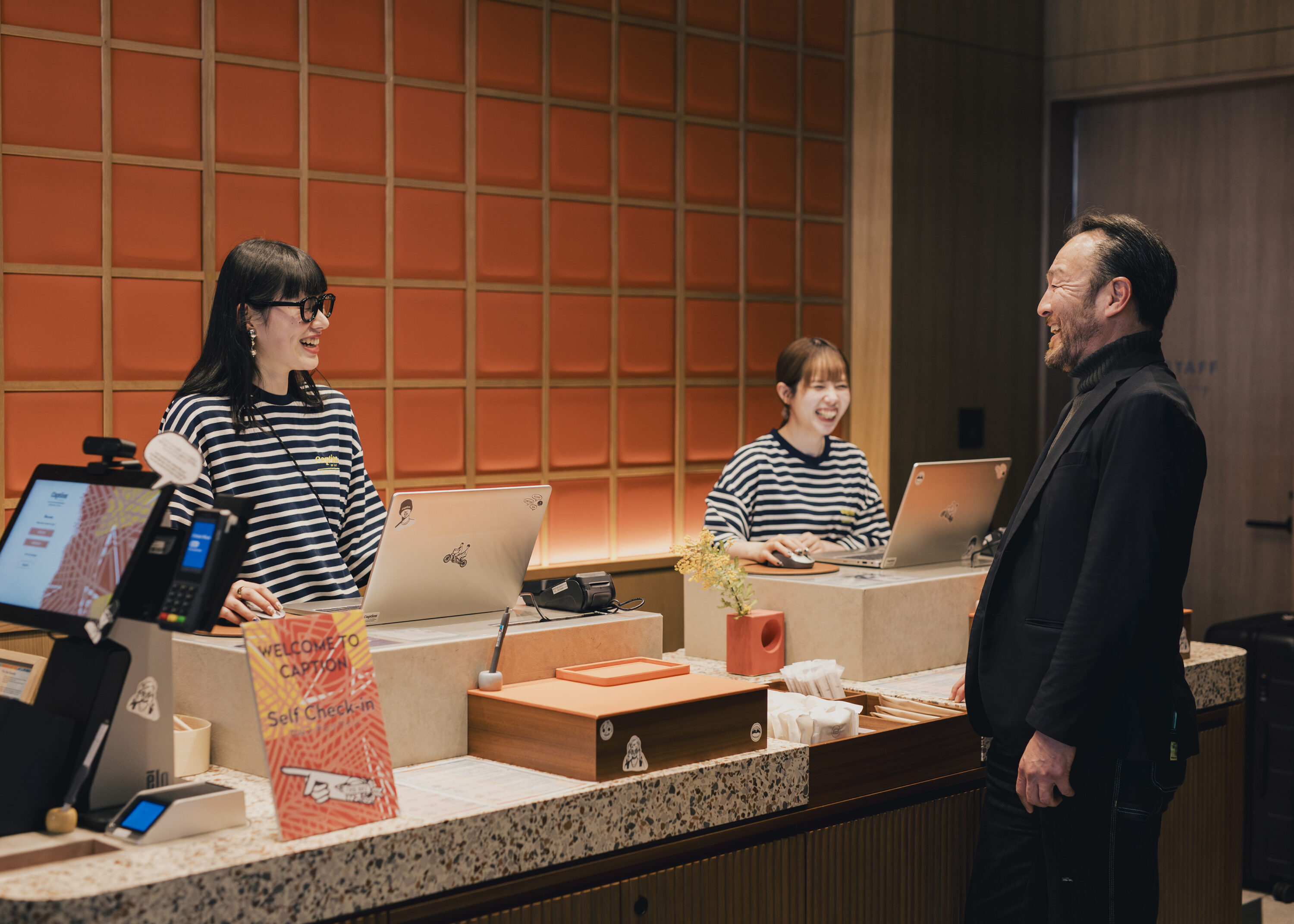
● How have you tailored this new Hyatt brand to fit this specific neighborhood?
Hotel lobbies tend to be closed-off spaces, but I want this to be a place where locals feel natural walking in and spending time. I don’t ask our staff for formal, stiff service. I want them to be themselves and be friendly. Previous hotel experience isn’t a requirement; we hire people who enjoy connecting with guests and the community through communication.
It’s all about the connection to the neighborhood. I want to create a relationship where the experience doesn’t end inside the hotel but spills out into the streets. We post information about nearby shops near the elevators, and our staff is trained to recommend local spots so international guests can explore the area. Even the art on our walls reflects the local vibe; one painting features the long-standing “Showa Ramen” shop, and another depicts the nearby Kamejima River.
Ultimately, I want this to be a place where people connect naturally. A place where you feel like "if I go there, something will happen" or "I’ll meet someone interesting."
● What would you like to achieve with this hotel going forward?
First and foremost, I want this hotel to be a catalyst for people to discover this neighborhood. I often hear from foreign guests who walked here from Tokyo Station and fell in love with the streets along the way.
Ultimately, I want this to be a place where people connect naturally. A place where you feel like “if I go there, something will happen” or “I’ll meet someone interesting.”
There aren’t many places in this area open late yet. I’m thinking of ways to meet that demand, perhaps through a bar serving local craft beers and wines or offering private rentals for parties.
Most of all, Kabutocho is a neighborhood in the middle of a transformation. Being part of that change is incredibly exciting.
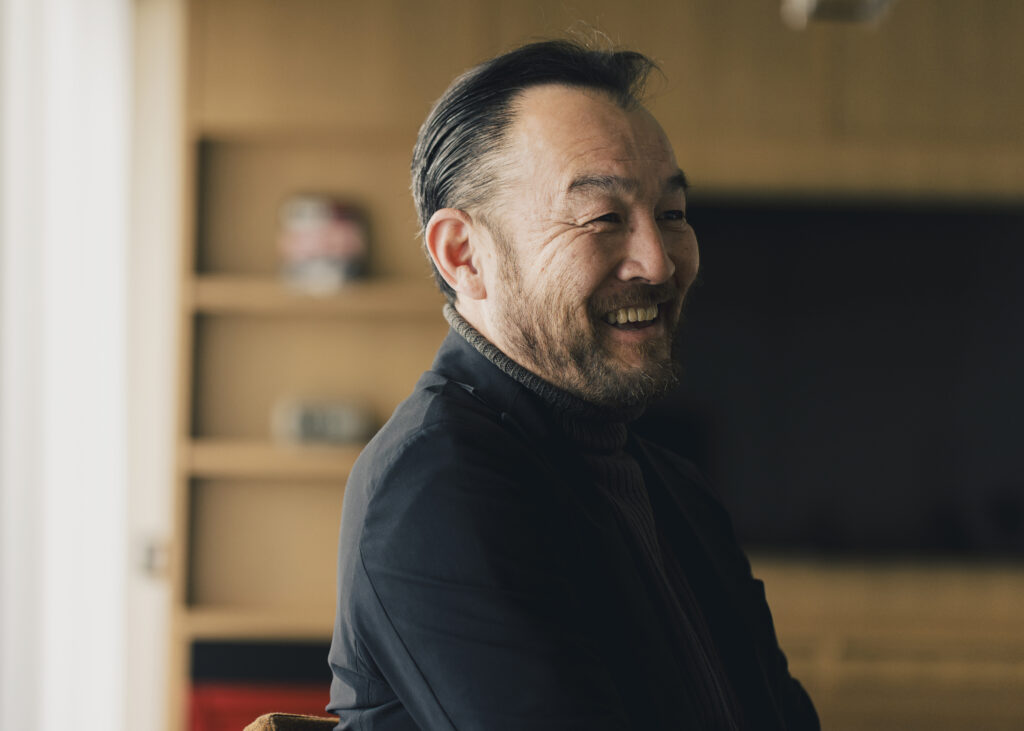
Masakazu Yamada
Born in Tokyo. Spent much of his childhood in Southeast Asia before graduating from a university in the United States and returning to Japan. He began his career as part of the pre-opening team of The Westin Tokyo and has since held key positions at leading luxury hotels in Japan, including Grand Hyatt Tokyo, Mandarin Oriental Tokyo, and ANA InterContinental Tokyo. His successful leadership as General Manager of Moxy Tokyo Kinshicho, where he contributed significantly to the brand’s growth, led to his appointment as General Manager of Caption by Hyatt Kabutocho Tokyo. He is dedicated to creating a space that opens seamlessly to the city, providing a stay full of discovery and comfort for guests from around the world.
Interview&Text : Misaki Yamashita
Photo : Masahiro Shimazaki
Masakazu Yamada
General Manager of Caption by Hyatt Kabutocho Tokyo
Tomoharu Nakao
Representative and Senior Managing Executive Officer at Heiwa Real Estate
Interesting people in Kabutocho
I’d like to introduce Mr. Nakao because of his “overwhelming career breadth” and his “proven track record at the forefront of urban development.” Having covered the core departments of Heiwa Real Estate and possessing experience in external companies, he is a management leader deeply versed in practical operations. I believe he has a unique perspective that can only come from supporting the major turning point of the Kabutocho and Kayabacho redevelopment. I would love to hear his secrets for consistently delivering results across multiple fields and his expectations for future hotel developments in the area.