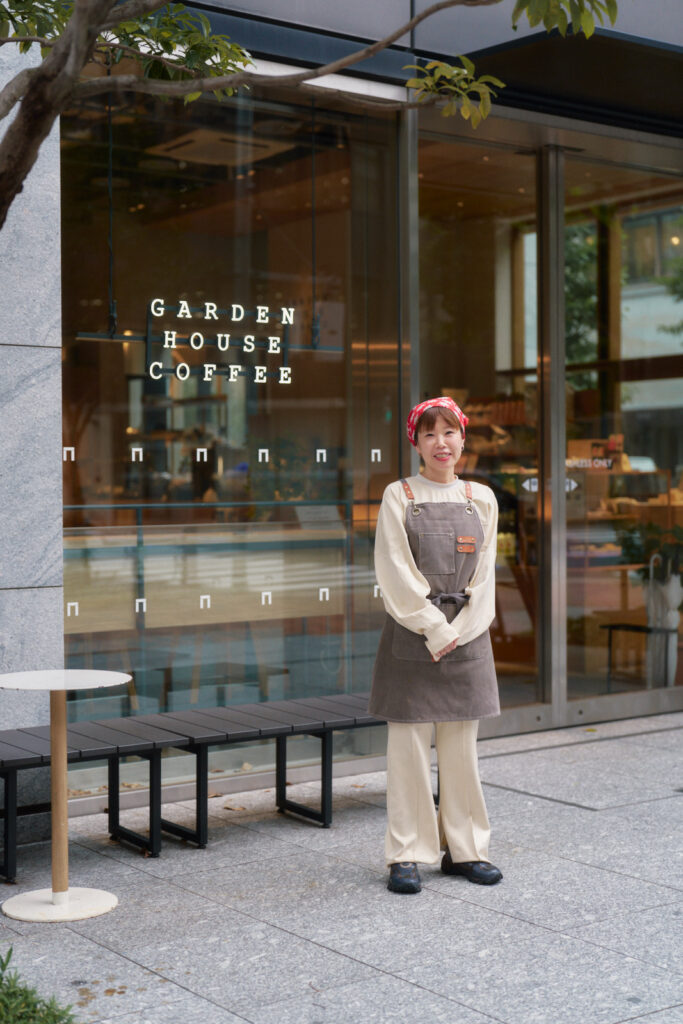
Fueled by the warmth of the people she met at the ends of the Earth: A cozy spot brimming with conversation and smiles
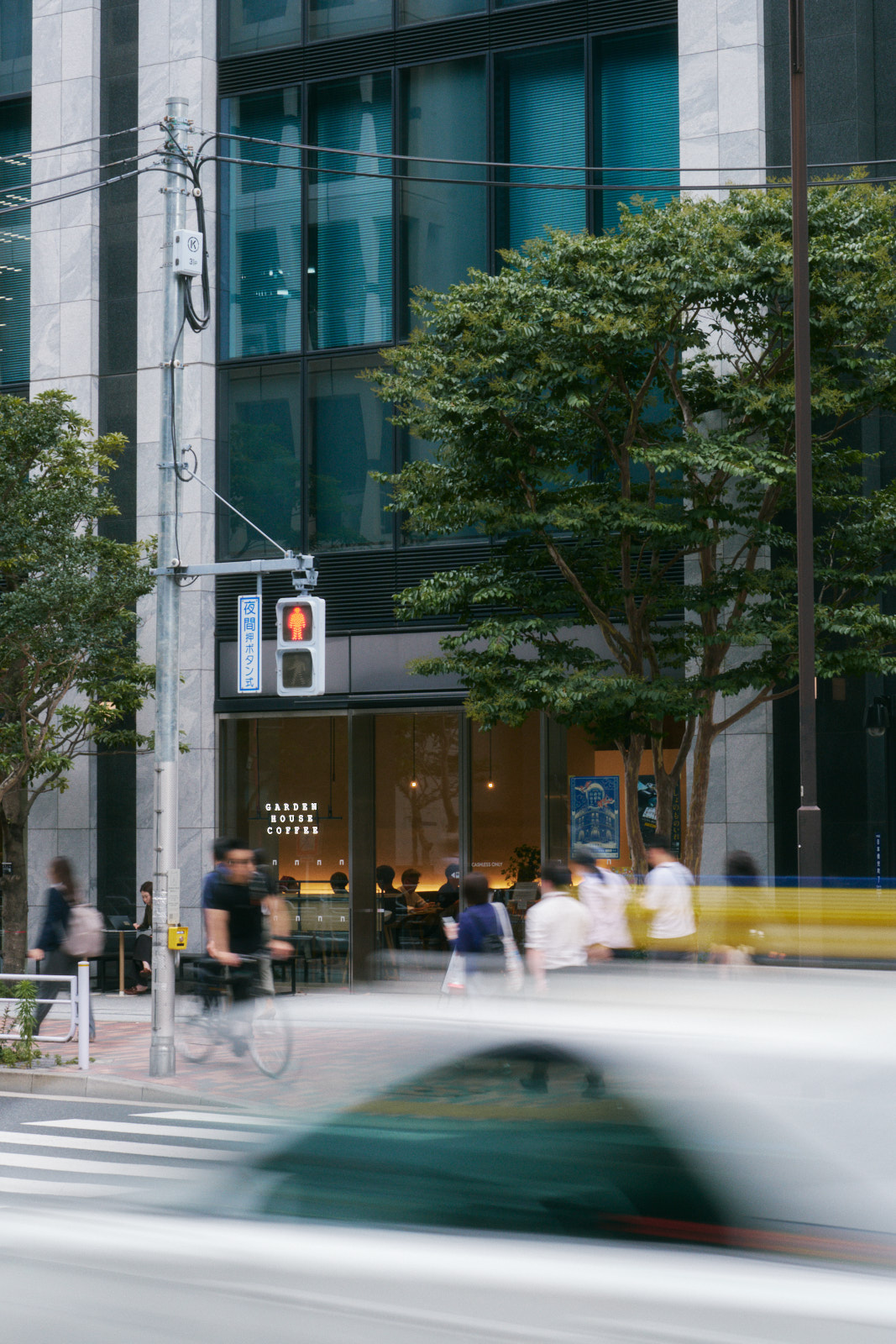
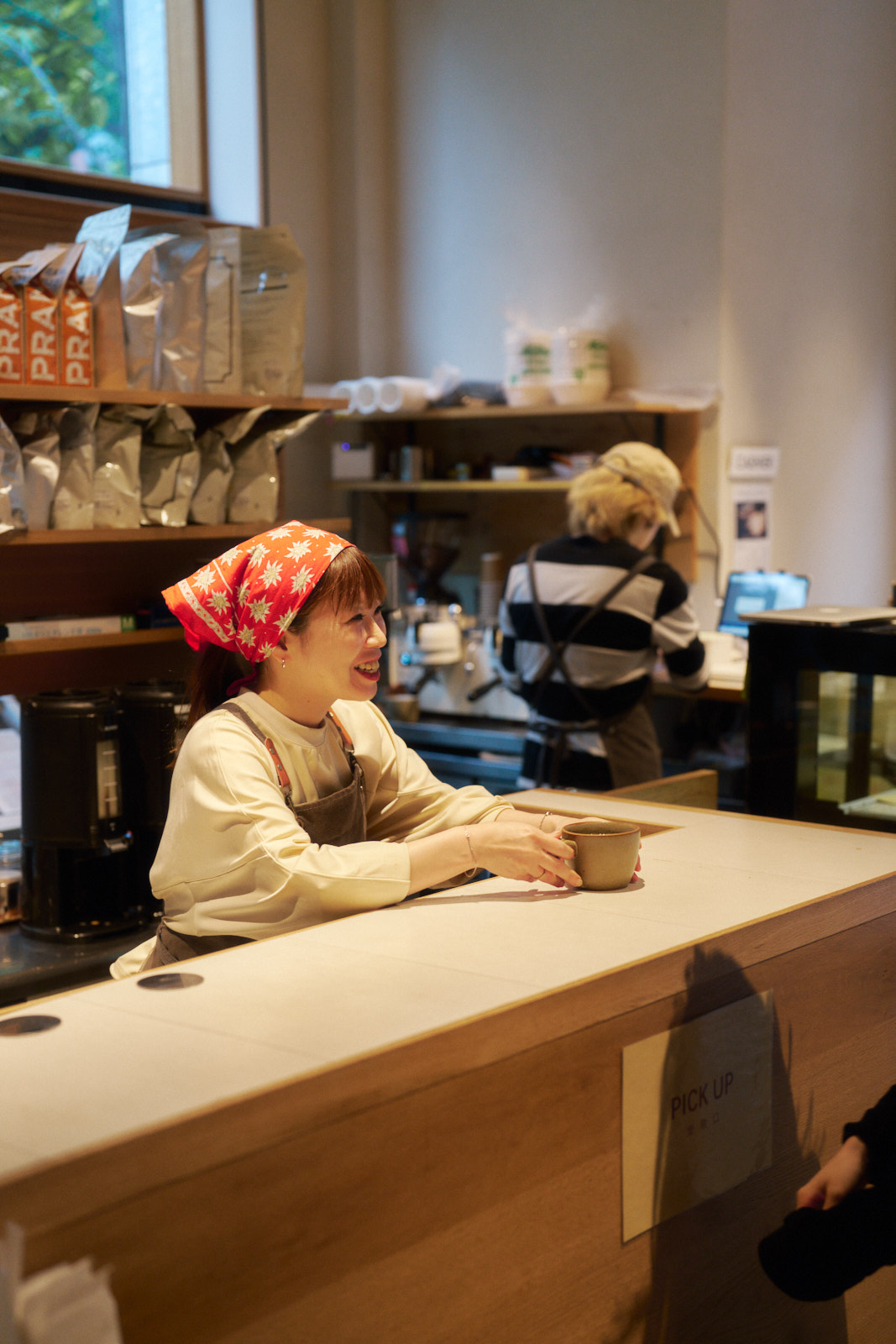
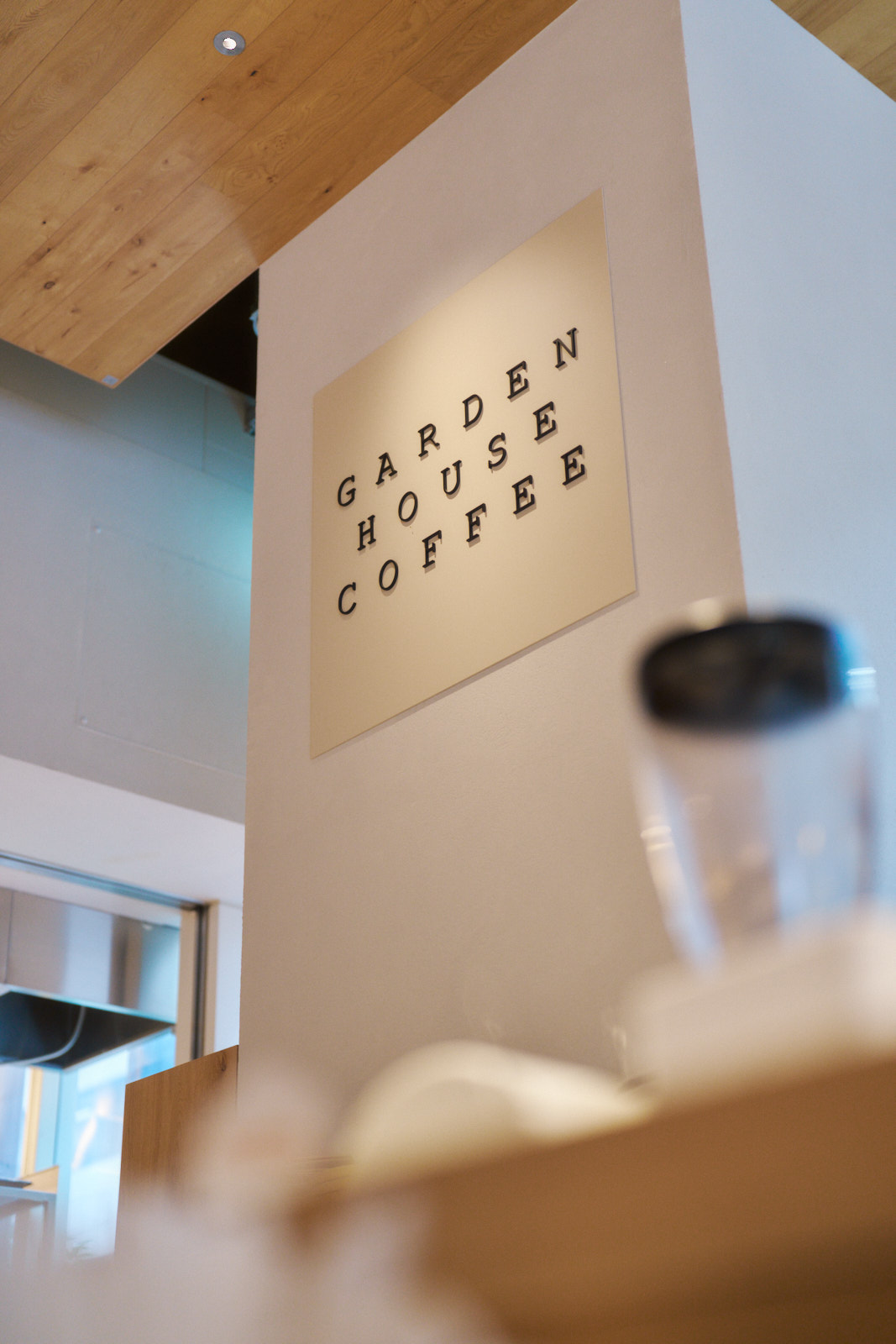
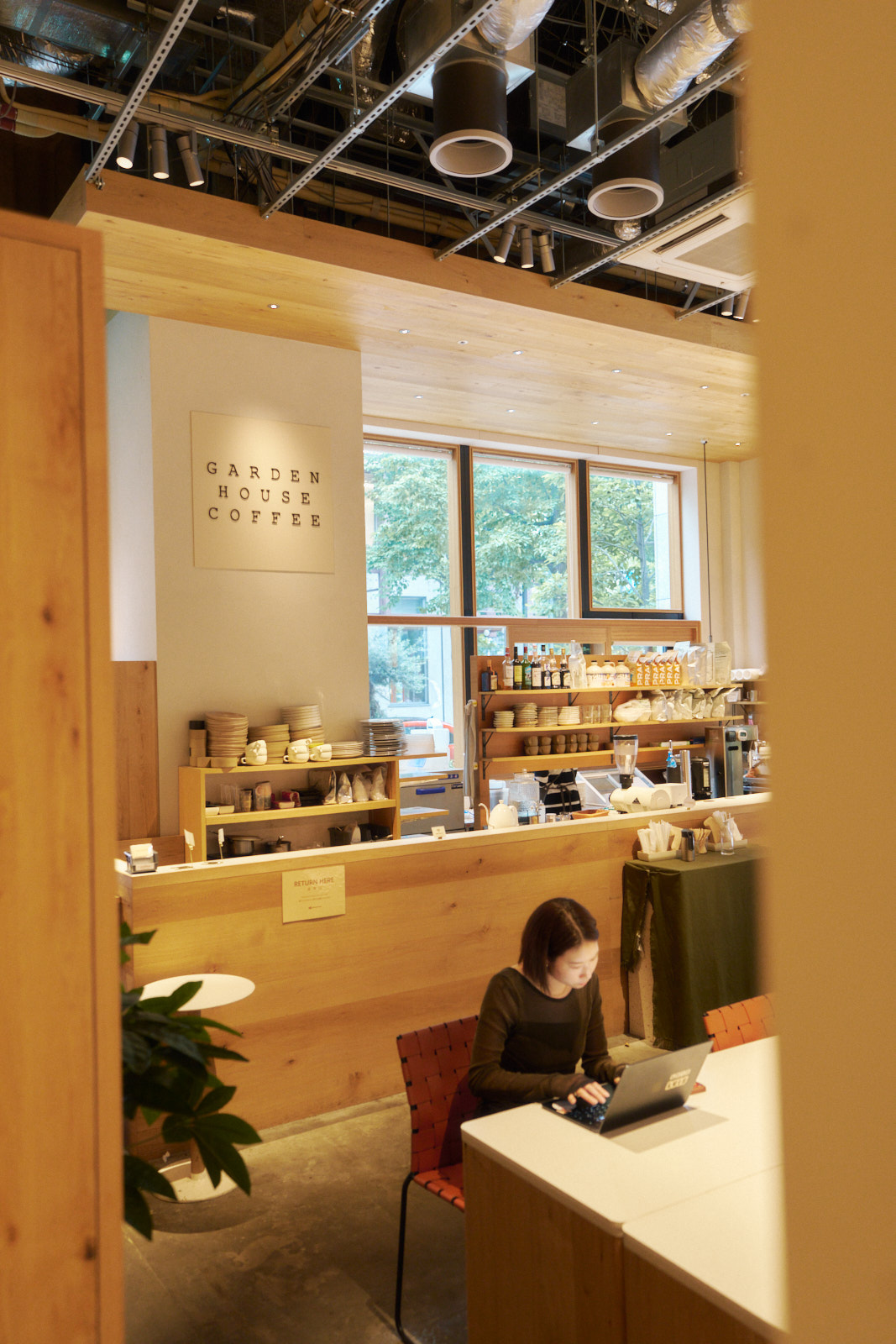
On weekdays, Kabutocho is a bustling business district filled with office workers. On weekends, it transforms into a lively neighborhood where people come to stroll and explore. Amid the many layers of everyday life that now coexist in the area, GARDEN HOUSE COFFEE offers a welcoming place for every kind of moment. Operated by a restaurant brand originating from Kamakura, the cafe boasts not only excellent coffee but also an extensive menu of baked goods and meals. Its spacious interior, equipped with power outlets at every seat, invites guests to relax and unwind. We sat down with Nami Omi, the newly appointed manager, to hear about her life journey and her vision for the cafe.
●Where are you from? Could you tell us a little about your childhood?
I was born and raised in Ako City, Hyogo Prefecture. I was an only child born late in my parents’ lives, so I was quite sheltered. Growing up, I took a lot of extracurricular lessons: calligraphy, tea ceremony, the Electone (electronic organ), and so on. I had a quiet personality, but I also had a strong sense of what I liked and disliked; if I didn’t want to do something, I would quit immediately. The one thing I stuck with the longest was calligraphy. Working silently by myself suited my nature, and I practiced hard until I achieved the highest rank. Even now, when I go back to my parents’ house for New Year’s, I make a point to do kakizome (the first calligraphy writing of the year). I think my chosen character for this year was “遊” (Play/Enjoy).
I’ve never been good at competing with others. Rather than sports where there is a clear winner and loser, I prefer facing myself. From elementary through junior high school, I played the trumpet in the brass band. Although I quit Electone lessons after about two or three years, looking back, I realize I grew up constantly surrounded by music. My parents were huge fans of Hibari Misora, and they had me memorize her songs from a very young age.
●It sounds like you were raised with a lot of care. Was your family just the three of you? Did you have relatives nearby?
By the time I was born, both of my grandparents had already passed away, and we didn’t really have any relatives around, so it was just my father, my mother, and me. Perhaps because of that environment, I was raised rather strictly, which included being sent to all those extracurricular classes. Maybe that was why I went through a pretty intense rebellious phase toward the end of junior high school. I ended up enrolling in a high school with incredibly strict rules; shoes and socks had to be entirely white, and we weren’t even allowed to shape our eyebrows! But at the time, I desperately wanted to wear loose socks. I would boldly wear them to school, only to have them confiscated at the school gates, leaving me to spend the day barefoot!
●Perhaps it wasn’t so much that your parents were unusually strict, but that education was highly valued in your hometown?
Maybe so. My hometown is a quiet place where trains only come about once every thirty minutes. It’s best known for the story of the Ako Ronin from Chushingura, but it’s also a seaside town famous for its salt. Okayama is just next door, so the oysters there are wonderful too.
Because I loved English, I enrolled in the English department at high school. But as I mentioned, the school rules were very strict, and the English classes became more advanced than I could keep up with. Around that time, I found myself listening to music constantly. I loved Western R&B, especially Alicia Keys. Melodic hardcore was also popular then, and bands like Hi-STANDARD were huge among my friends.
I continued taking private vocal lessons with one of my instructors from the vocational school while working part-time.
●After graduating from high school, what brought you to Tokyo?
I enrolled in a music vocational school in Tokyo because I wanted to become a singer, so I began studying vocals. Ever since I was little, I’d been telling my parents, “When I grow up, I’m going to Tokyo.” So when the time finally came, they weren’t particularly surprised. They supported my decision and sent me off with encouragement.
The school was in Ebisu, but I had no sense of the area and didn’t know where I should live, so at first I commuted from Kanagawa by train. The classes included vocal training, songwriting, and dance, and I genuinely enjoyed them. But of course, everyone there was aiming to become a professional. There was this unspoken atmosphere that everyone around you is your rival, and I found that difficult. Even after becoming friends with people, there was always a part of us that didn’t want to lose to each other. Before long, I realized I could no longer enjoy singing purely for the love of it. That was when I began to understand that sometimes, loving something isn’t enough to keep pursuing it.
On the other hand, I really enjoyed my part-time job at an izakaya near the school. There were lots of people around my age, and it was a fun place to work. By my second year at vocational school, I was working there constantly because I enjoyed it so much. Then, around the time I graduated, I also started working part-time at a café. It was WIRED CAFE in Shibuya, which was a hugely popular and lively spot at the time.
●So this was the beginning of your career in cafés?
Yes. I continued taking private vocal lessons with one of my instructors from the vocational school while working part-time. But at the time, there was a prevailing belief that if you didn’t debut as a singer before your late teens, it was already too late. Although I still loved singing, it was becoming increasingly painful for me. Then, quite by chance, I picked up a book that completely changed the direction of my life.

I read an essay written by a married couple who had traveled the globe together, and I immediately thought, "I want to do that too!” From that moment on, I quit singing without hesitation. I worked relentlessly at both the café and the izakaya, saved one million yen, and set off on my journey.
●Really? What was it about?
It was about traveling around the world. I read an essay written by a married couple who had traveled the globe together, and I immediately thought, “I want to do that too!” From that moment on, I quit singing without hesitation. I worked relentlessly at both the café and the izakaya, saved one million yen, and set off on my journey.
It took me about a year to save enough money. I gave up the apartment I had been living in and finally bought my plane ticket. Right before leaving, though, I discovered that I had unpaid resident taxes, which cost me around 200,000 yen! Even so, I shouldered my backpack and headed off, traveling through the Middle East, Africa, Europe, South America, and finally the United States.
●That’s incredible determination. Which country left the strongest impression on you?
Peru. I absolutely fell in love with it. Most of South America is Spanish-speaking, so English wasn’t much help there. One day, I couldn’t even communicate numbers while trying to negotiate with a taxi driver, and I was completely stuck. Then a high school-aged boy who spoke a little English came over and asked if I needed help. He ended up showing me around the city. When I mentioned that I hadn’t found anywhere to stay, he actually invited me to his home.
Even though we barely shared a common language, his family welcomed me with such incredible warmth. His parents didn’t speak English at all, but during the two or three nights I stayed with them, there were so many moments when I felt we truly understood one another. That experience made me realize that people can connect even without sharing the same language. It moved me deeply. Before visiting Peru, I’d only heard that it was dangerous. Instead, I found a place filled with kindness and generosity. I remember thinking, “What an amazing country!”
I returned to the same café yet again. That's when my manager said to me, "This time, you're becoming a full-time employee, right?"
●That must have been an incredibly enriching experience.
It truly was one of the most valuable experiences of my life. But when I returned to Japan, I completely lost my sense of purpose. Looking back, it was probably the lowest point in my life. My dream of traveling around the world had come true, yet afterward I had no idea what I wanted to do next. I no longer had a home, and although my boyfriend at the time let me stay in the apartment he shared with a friend, I constantly felt out of place.
So the first thing I needed to do was find work. I asked my former café if I could come back, and they welcomed me. I started working there again as a part-timer. About a year later, I realized I still couldn’t forget Central and South America. So I left the café once more and spent about a month traveling through Mexico.
●Mexico! I’m jealous. It sounds like traveling had become part of who you are.
It really had. The sea in Mexico was unlike anything I’d ever seen before. I took my time exploring and simply enjoying being there. It wasn’t just transparent blue, it was a vivid, almost unreal shade, as though someone had poured bright blue paint into the ocean. The scenery was breathtaking.
When I came back to Japan, I returned to the same café yet again. That’s when my manager said to me, “This time, you’re becoming a full-time employee, right?” And that’s exactly what happened. Including my years as a part-timer, I ended up working there for sixteen and a half years.
I'd told myself that if I ever became a manager, I wanted to build a place overflowing with love and smiles. That's what I've been working toward ever since.
●Sounds like there was a bit of pressure there! But it also means they saw you as someone worth keeping. What made you devote yourself to café work for so many years?
I think, simply put, I love people. Little by little, I’d strike up conversations with customers. They’d become regulars, and eventually some would come specifically to see me. Watching those relationships grow brought me so much happiness. That’s what I love most about working in a café.
When I became store manager, I suddenly found myself responsible for everything, and that certainly wasn’t easy. But I chose to see it as an opportunity, to create the kind of café I had always dreamed of. For a long time, I’d told myself that if I ever became a manager, I wanted to build a place overflowing with love and smiles. That’s what I’ve been working toward ever since.
Of course, there are times when you have to be firm with your staff. But rather than simply scolding someone, I always try to think about how I hope they’ll grow and what kind of person I want them to become. I want us to have the kind of relationship where we can talk openly about anything.
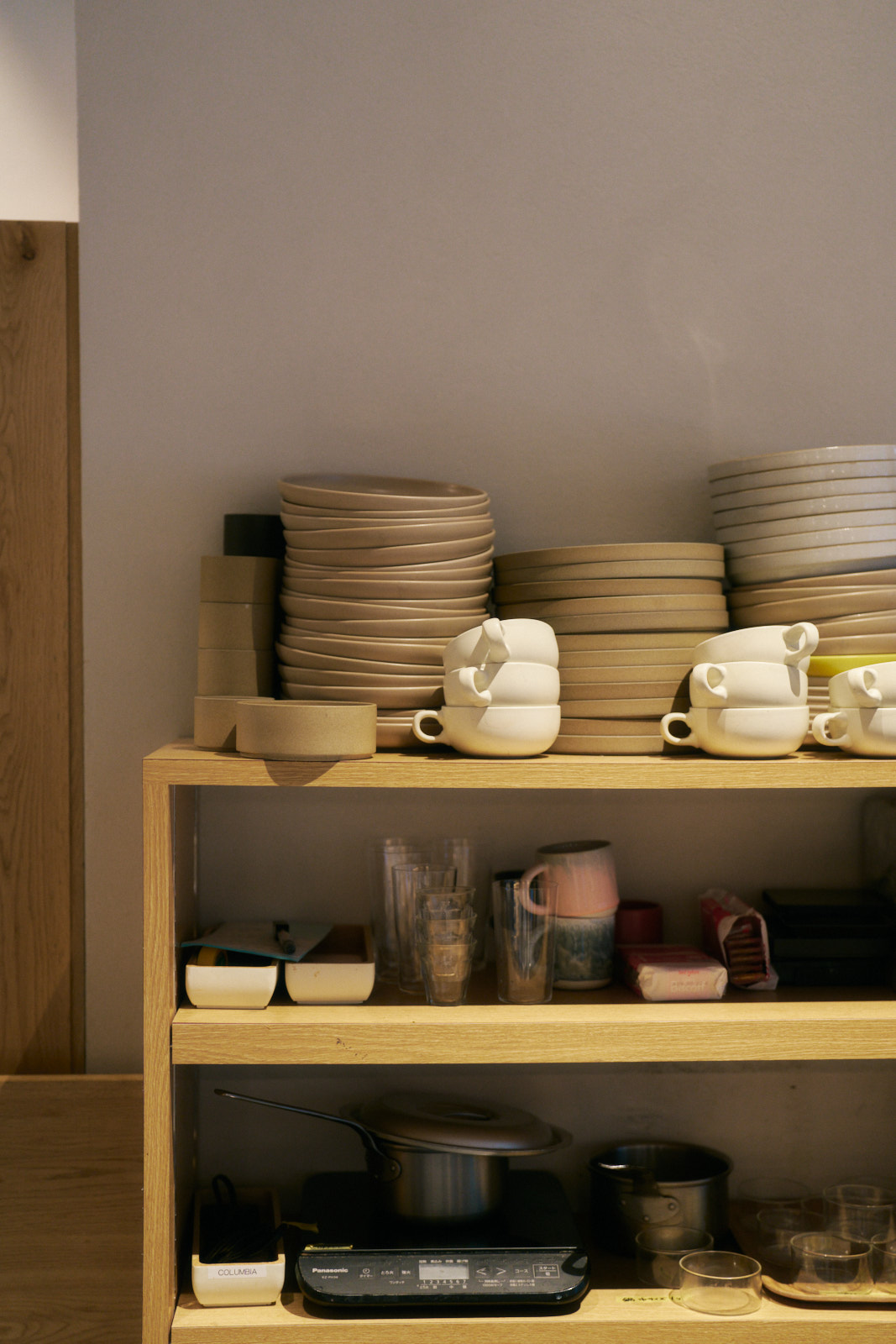
When I recognize someone, I try to greet them whenever I can.
●After that, you joined the company that now operates GARDEN HOUSE?
That’s right. I’d spent so many years at one company that I eventually felt I wanted to see a little more of the world outside. So I decided to change jobs. After gaining experience at a few different cafés, I joined GREENING. I first worked at GARDEN HOUSE CRAFTS in Daikanyama, and this February I became the manager of GARDEN HOUSE COFFEE here in Kabutocho.
●Now that you’ve been working in this neighborhood, have you noticed anything unique about it?
The atmosphere here is completely different from Daikanyama. Daikanyama attracts many international visitors, along with families and people out walking their dogs. Kabutocho, on the other hand, changes dramatically between weekdays and weekends.
On weekends, many people come specifically to spend time in Kabutocho. We see groups of young women in their twenties, and in the mornings there are also many international visitors. On weekdays, most of our customers are office workers who stop by almost every day. Some come in for just a cup of coffee, while others always order the same thing at the same time. When I recognize someone, I try to greet them whenever I can. Those small conversations gradually grow into something more, and I think that’s one of the things that makes this neighborhood so special.
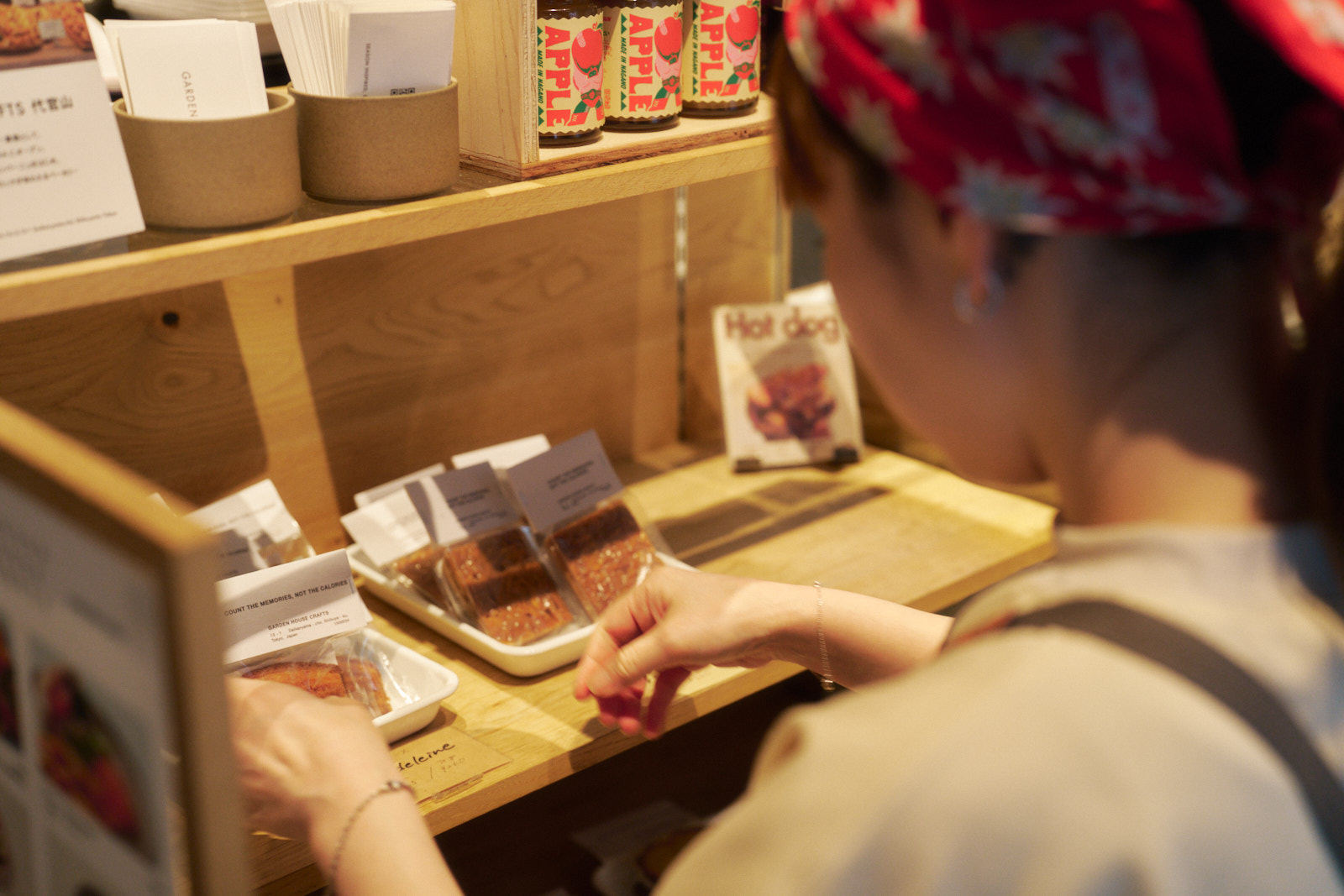
All of them are beloved places, so it's both exciting and a little intimidating to become part of that community.
●That’s wonderful. As someone who wants to create a place filled with “love and smiles,” what kind of café do you hope GARDEN HOUSE COFFEE will become?
People from Heiwa Real Estate, the company leading Kabutocho’s redevelopment, have told us that they’d like this to be a café full of energy. Because so many office workers visit during the week, the atmosphere inside can naturally become rather quiet. That’s exactly why I hope we can be the ones to warmly welcome everyone with cheerful energy.
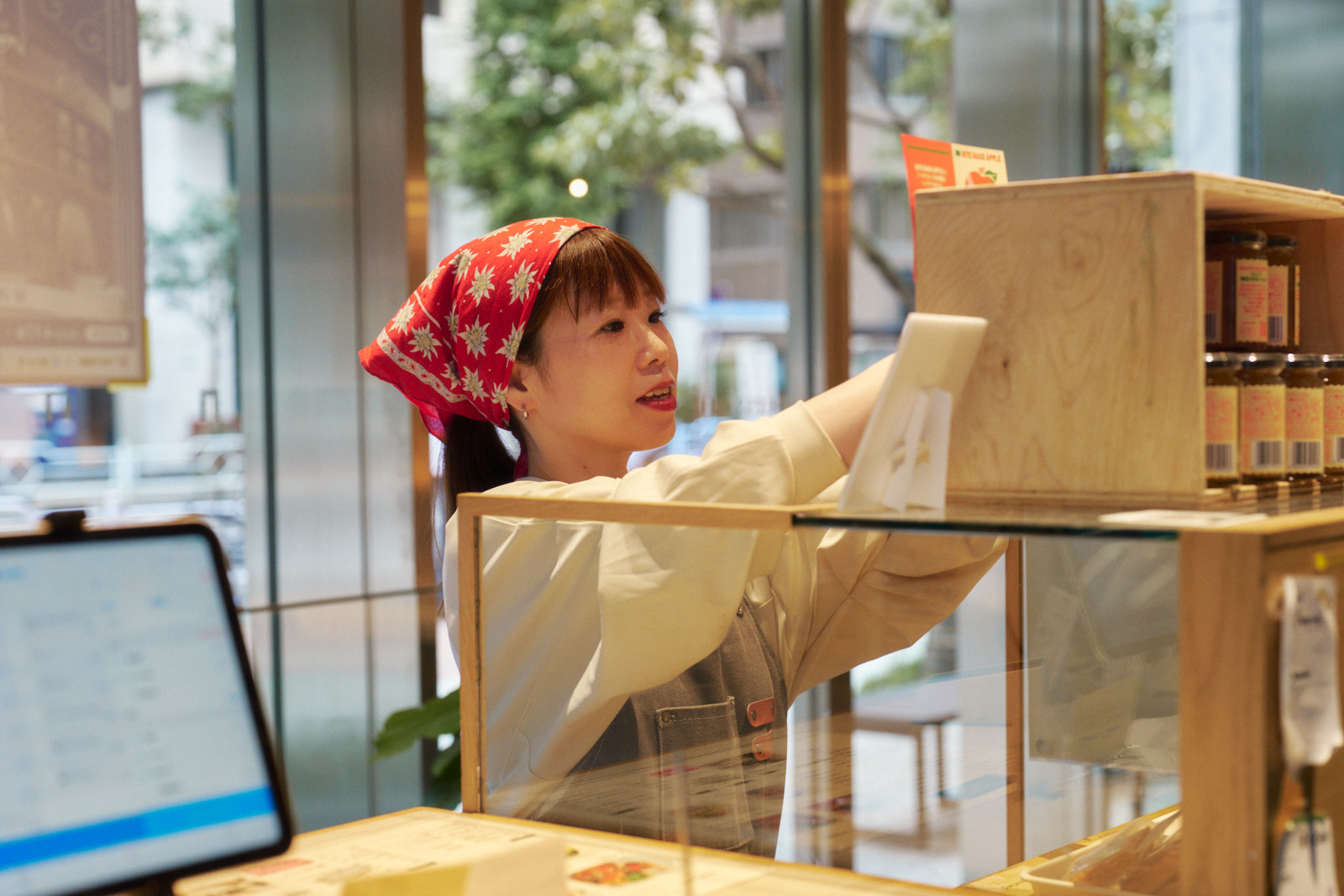
Since we’re operated by a company that also runs restaurants, we’re able to offer a wide variety of food in addition to coffee. Popular items include our Avocado Tartine, deli plates, and Lamb Gapao Rice. Personally, I’d also love to expand our selection of breads. Having worked at the bakery-focused GARDEN HOUSE CRAFTS in Daikanyama, I feel I can bring that experience here.
There are wonderful bakeries nearby, such as “bank”, but I think our lineup offers something a little different. There seems to be demand for that as well. In fact, our Salt Butter Melon Pan has already become one of our signature items, often selling out by the afternoon.
I’d actually been paying attention to Kabutocho long before I started working here. I’d come to have tea at K5, enjoy lunch at Neki, pick up sweets from “ease”, or celebrate birthdays with dinner at “yen”. All of them are beloved places, so it’s both exciting and a little intimidating to become part of that community. I hope that, from here on, I can continue walking forward together with this café and with this neighborhood.
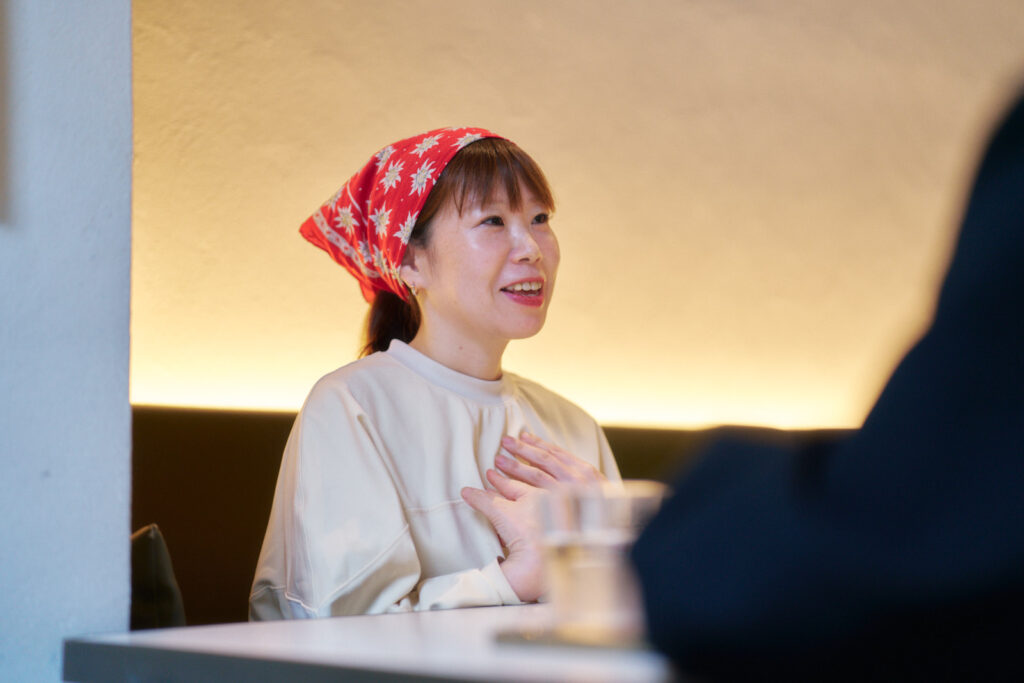
Nami Oumi
Born in Hyogo Prefecture, Nami Omi traveled around the world at a young age, where encounters with people from different cultures deepened her appreciation for human connection and communication. She has spent many years in the café industry, overseeing shop operations while mentoring and developing staff. In 2025, she joined GREENING Co., Ltd., first working at GARDEN HOUSE CRAFTS in Daikanyama before becoming the manager of GARDEN HOUSE COFFEE in 2026. Cherishing the everyday conversations she shares with visitors, she strives to create a café filled with love and smiles, one that naturally becomes part of the rhythm of life in Kabutocho.
Interview&Text : Misaki Yamashita
Photo : Taro Ikeda
Nami Oumi
Manager of GARDEN HOUSE COFFEE
Konosuke Iwanaga
SR Coffee Roaster
Interesting people in Kabutocho
I’d love to meet Mr. Iwanaga, who creates pastries at SR Coffee Roaster, another popular café in the neighborhood. I heard he used to work at GARDEN HOUSE CRAFTS in Daikanyama, so we actually share the same former workplace. That’s made me curious to sit down and talk with him someday.